















Downing Street has ruled out freezing private sector rents, despite comments from Chancellor Rachel Reeves suggesting the option had not been dismissed.
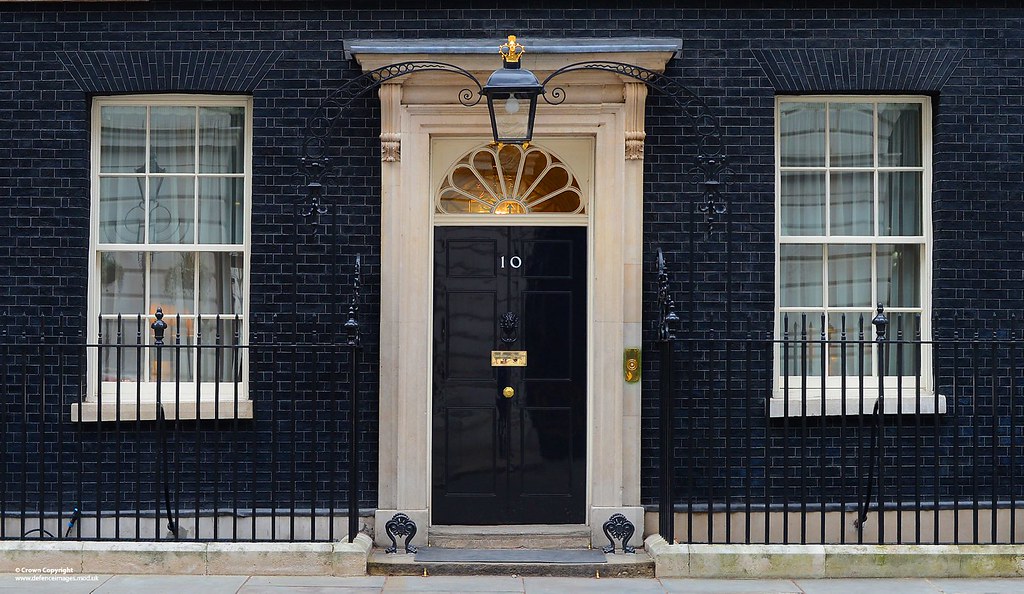
A spokesperson from Number 10 said the policy was ‘not the approach we will be taking’, after reports that the Chancellor has been considering a temporary cap to address rising housing costs following the Iran war.
They added: ‘We have no plans to implement this. Our focus remains on cutting bills and backing renters alongside lower energy prices.’
The proposals, which were first reported by The Guardian, would see landlords in England raised from raising rents for a 12 month period.
However, speaking in the Commons, Reeves did not explicitly rule out the idea. Responding to Labour MP Yuan Yang, she said: ‘I will do everything in my power and use every lever we have to bear down on the cost of living, including for people in the private rented sector.’
If it ever came into force, the scheme would reportedly exclude newly built homes in an effort to avoid discouraging construction.
While rent freezes may reduce costs for some tenants, experts caution they can have wider consequences. These include higher rents in unregulated properties and a reduction in available renting housing.
The latter is already a concern. Figures from the Office for National Statistics (ONS) show that, as of March 2026, the number of rental properties in England has fallen by 26% since 2019. Meanwhile, average monthly rents have risen to £1,434.
Konstantin Kholodilin, a researcher at the German Institute of Economic Research, said: ‘Studies show that controlled rents tend to fall on average by 9.4% but, during that period, those which are not controlled in the same area or nearby rise on average 5% faster than they would have done otherwise.’
Ben Beadle, chief executive of the National Residential Landlords Association, added that the freeze would be ‘a disaster for landlord and investor confidence and consequently the supply of homes in England’.
He explained: ‘There is no evidence to suggest that it would make rents more affordable. In fact, the impact on supply would inevitably drive new rents still higher. Such a move would run completely counter to good economic sense and the government’s own prior decision to rule out such measures.’
In 2024, Reeves resisted a proposal to include rent controls as part of Labour’s renters’ rights reforms, which come into force on Friday.
Beadle continued: ‘At a time when demand for rental housing continues to significantly outweigh supply, we agree with the Housing Minister’s view that any form of rent controls would make life more difficult for renters.’
In similar vein, Mark Long, managing director and founder of Pegasus Insight, remarked: ‘Landlords are not setting rents in a vacuum. Many are already factoring in the impact of the Renters’ Rights Bill, alongside higher costs, and that is feeding directly into pricing decisions.’
Image: Openverse
In related news:
Liverpool approves new nature garden at former hospital site
Right to Buy overhaul: tenants face longer waits to buy homes
Leave a Reply