
















King’s Speech sets out major reforms to NHS, education, courts, housing and immigration amid Labour pressure.
Over the past week, Keir Starmer has faced local election losses, calls to resign and ministerial resignations. In an attempt to ease pressure from MPs and voters, the prime minister has set out a broad package of reforms covering public services, immigration, housing and the justice system in the King’s Speech.
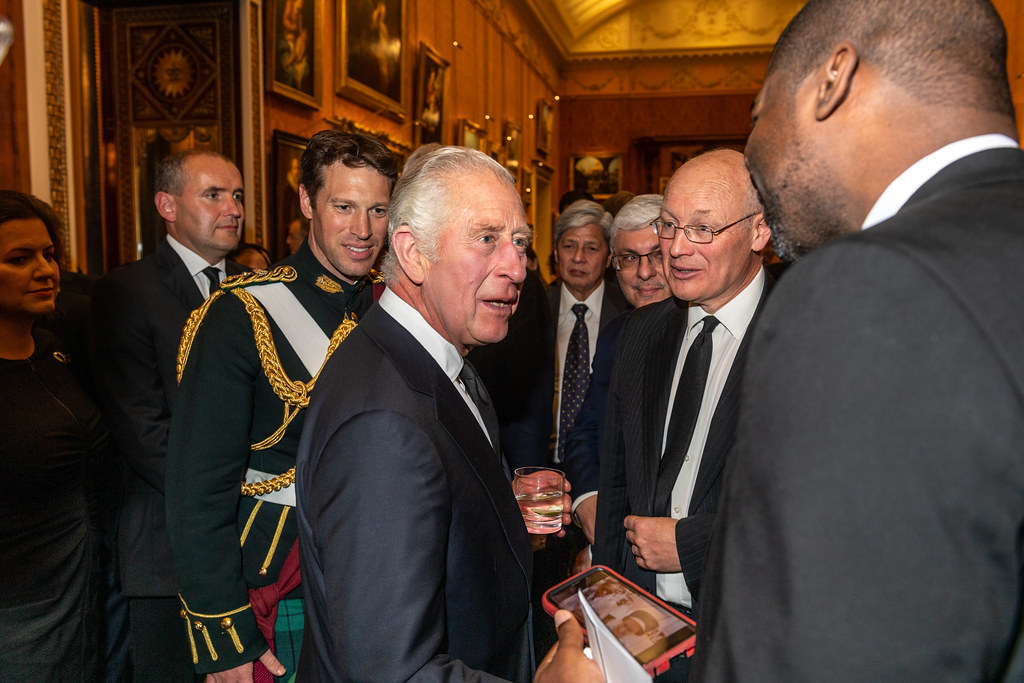
On Wednesday (13 May), King Charles III delivered his speech in the Lady Chapel inside Westminster Abbey, in which Starmer wrote the introduction. It read: ‘For two decades our country has been buffeted by crisis after crisis: the 2008 financial crash, the Tory austerity that followed it, Brexit, Covid and the Ukraine war.
‘The response in each case was always a desperate attempt to get back to a status quo. Even though that same status quo had repeatedly made working people pay the price.
‘This time must be different. And this king’s speech shows it will be different, with a plan to make the country stronger and fairer.’
The king said in the speech: ‘My government believes that the United Kingdom’s economic security depends on raising living standards in every part of the United Kingdom. My ministers will support measures that maintain stability and control the cost of living.’
Key takeaways
The legislative programme for the next parliamentary session includes plans to abolish NHS England – a policy that has been reported on in detail by our sister title Social Care Today – overhaul special educational needs provision, introduce digital identity, restrict jury trials in some cases and end the leasehold system in England and Wales.
It also includes measures to tighten immigration rules, such as changes to make it harder for some migrants to gain settled status in the UK.
There were few surprises in the 11-and-a-half-minute speech, though it was delivered during a turbulent ongoing internal debate about whether Starmer should be allowed to stay in Downing Street.
In a message to MPs, the prime minister said: ‘At moments like this we face a choice. We can sink into the politics of grievance and division. Or we can choose to see it as an opportunity to deliver on the change we promised the British people.’
Legislative agenda
Overall, there were 37 bills announced in the speech, these include:
Economy and business
- European Partnerships Bill
- Competition Reform Bill
- Small Business Protections (Late Payments) Bill
- Steel Industry (Nationalisation) Bill
- Regulating for Growth Bill
Transport and roads
- Northern Powerhouse Rail Bill
- Civil Aviation Bill
- Taxi and Private Hire Vehicle Bill
- Railways and Passengers Benefits Bill
- Highways (Financing) Bill
Housing
- Social Housing Renewal Bill
- Remediation Bill
- Commonhold and Leasehold Reform Bill
Immigration
- Immigration and Asylum Bill
Health
- NHS Modernisation Bill
- Conversion Practices Bill
Crime
- Police Reform Bill
- Courts Modernisation Bill
The environment
- Energy Independence Bill
- Electricity Generator Levy Bill
- Clean Water Bill
- Nuclear Regulation Bill
Technology
- Cyber Security and Resilience Bill
- Digital Access to Services Bill
Security
- Armed Forces Bill
- Northern Ireland Troubles Bill
- National Security Bill
- Tackling State Threats Bill
Governance
- Public Office (Accountability) Bill
- Sovereign Grant Bill
- Representation of the People Bill
- Removal of Peerages Bill
Other measures
- Sporting Events Bill
- Overnight Visitor Levy Bill
- Education for All Bill
- Ticket Tout Ban Bill
While that list is long, experts have deemed the speech quite ‘underwhelming’, especially when it comes to local government.
Jonathan Carr-West, chief executive of LGIU, said: ‘Political drama at the top of government has profound consequences for those who must adapt to the decisions that are made. This King’s Speech contains reforms across many areas of policy that impact local government, and the difficult job of working with proposed new legislation is made even harder when we have no guarantee that any of it will actually come to pass.
‘But if we do make the effort to read this speech purely through the lens of local government, it’s hard not to feel somewhat underwhelmed.’
‘The headline fiscal devolution offer is the overnight visitor levy,’ he continued. ‘At LGIU, we have long argued that power should be local by default, regional where it adds value and national only where necessary, and fiscal devolution is a key element of growth.
‘We’re also missing some reforms we’d hoped to see. In an increasingly fractious and polarised political landscape, reforms to the local government standards regime feel urgent and important, yet did not feature in the speech, despite being widely expected.
‘There are measures that affect local government scattered throughout – on housing, health and policing. But overall, what’s missing in this programme is a coherent vision of what local government is for.
‘Are councils democratic agents – shaping place, taking long-term responsibility for community wellbeing? Or are they delivery arms of the central state? That question remains – as it has throughout this government’s tenure – unresolved.’
Image: Openverse
In related news:
Leave a Reply