













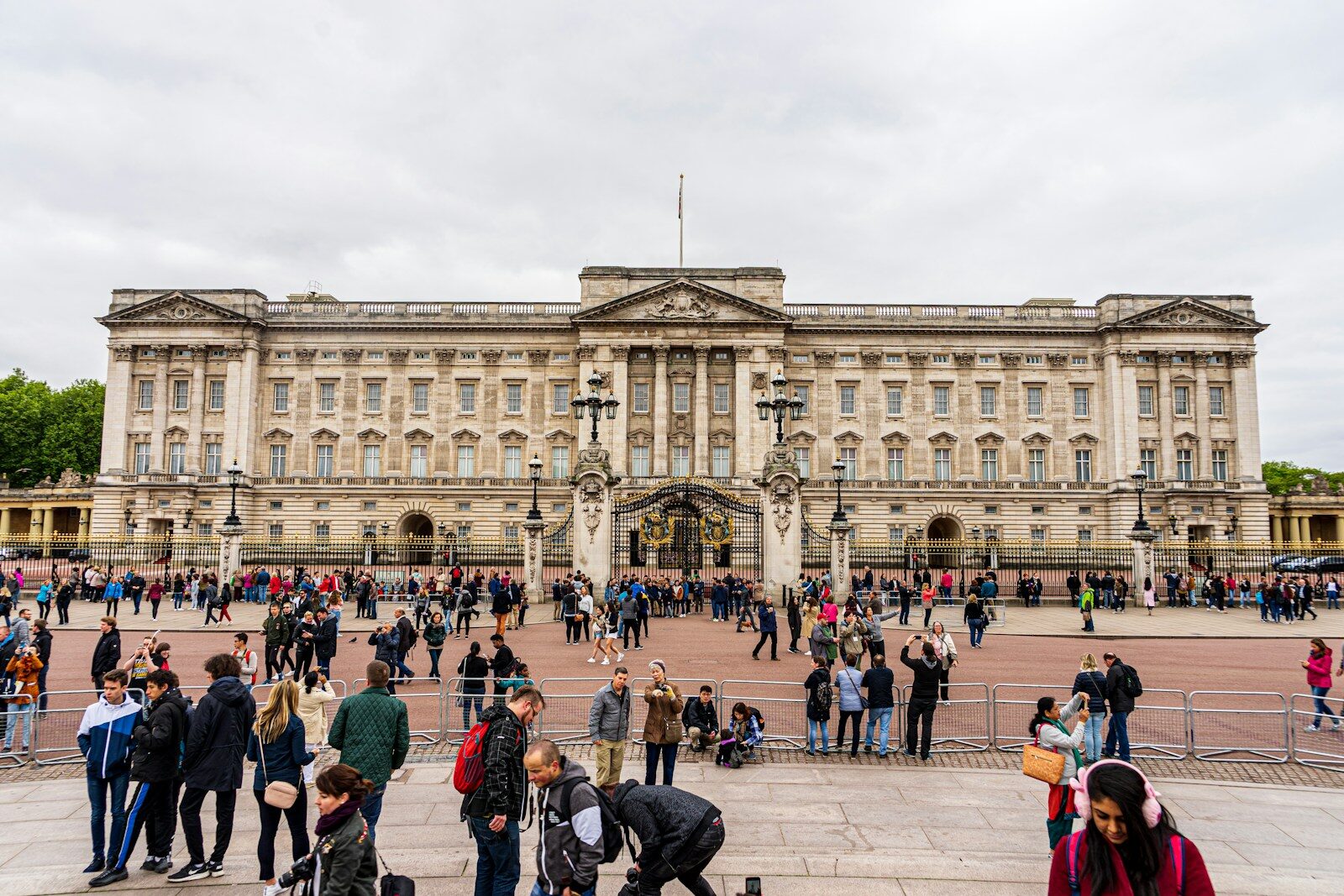
The King and Queen have announced they won’t be moving into Buckingham Palace once its nearly £370m refurbishment is finished.
Although the palace will still be used as the main case for the monarchy’s official work, King Charles III has decided not to make it his London residence. Instead, he and Camilla will continue living at Clarence House.
A palace spokesperson said: ‘His Majesty retains huge affection for Buckingham Palace and a deep respect for its role in royal and public life. It will be a buzzing hive of royal activity in every other way.’
The decision is partly aimed at allowing more members of the public to visit the building. Security rules when the monarch is in residence can limit access and reduce visitor numbers.
While Buckingham Palace’s income is not usually separated from other royal properties, ticket sales and souvenirs during the traditional summer opening are estimated to bring in around £15m to £20m a year.
It’s no secret London’s economy is under pressure, with the housing crisis and rising unemployment adding strain, making tourism an increasingly important source of revenue for the capital.
Buckingham Palace has been undergoing a major 10-year refurbishment to replace old heating systems, wiring and pipes. The work, which is due to be completed in March, is designed to reduce the risk of fire and flooding and is expected to cost £369m.
The announcement came alongside disclosures that the King paid £12.9m in income and capital gains tax in 2024-25, making him the first monarch to publicly disclose his tax bill.
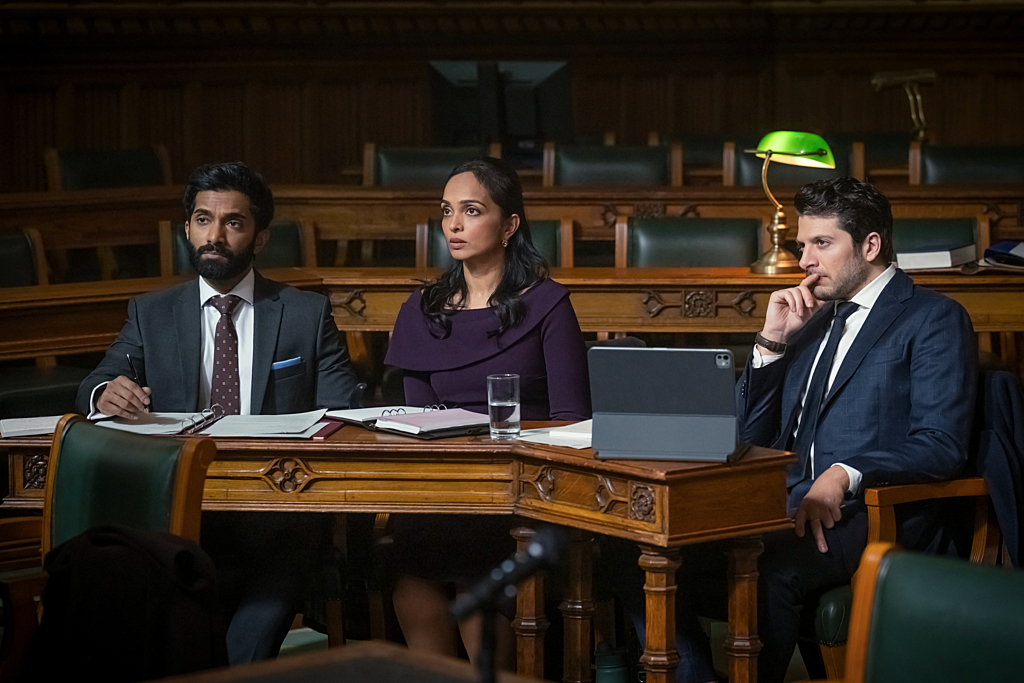
Figures show the sovereign grant – public money used to fund the King’s official duties – almost doubled in three years. It will rise to £99.9m from 2027-28, up from £51.8m in 2024-25, following a review by royal trustees including Prime Minister Keir Starmer, Chancellor Rachel Reeves, and James Chalmers, the King’s accountant.
Graham Smith, chief executive of the anti-monarchy organisation Republic, criticised the increase. He said: ‘Despite ongoing concerns about the huge cost of the royals, the grant will remain hugely inflated on its initial level of £31m in 2012. If that had risen by inflation the grant would stand at £45m, not £100m.
‘The government agreed to spend £369m on refurbishing Buckingham Palace, and now Charles doesn’t want to use it. But he’ll keep it under lock and key for when he does. Clearly the palace needs to be fully open to the public all year round.’
Currently, visitors can access Buckingham Palace through seasonal tours of the State Rooms, guided visits to the East wing and trips to the King’s Gallery and Royal Mews.
Labour peer and former Scotland minister George Foulkes also raised concerns over royal finances, saying he was ‘deeply worried about the amount of money being spent and the lack of transparency’.
He suggested the King’s tax disclosures may be a ‘diversionary tactic to get away from the whole question of the sovereign grant’.
There is no legal requirement for the monarch to pay tax, but following public criticism in 1993 over proposals for taxpayers to fund repairs after a fire at Windsor Castle, Queen Elizabeth II and Charles agreed to begin paying tax.
Foulkes added: ‘What we really need is a giant committee of both houses of the Commons and the Lords to have some supervision of this expenditure. Governments, even Labour governments, are reluctant to clamp down. It’s too much of an establishment closing ranks. It does need a more radical look.’
Image: Sung Shin/UnSplash
In related news:
Social investment: the capacity multiplier the public sector needs
Tackling the temporary accommodation crisis through collaboration
Leave a Reply