














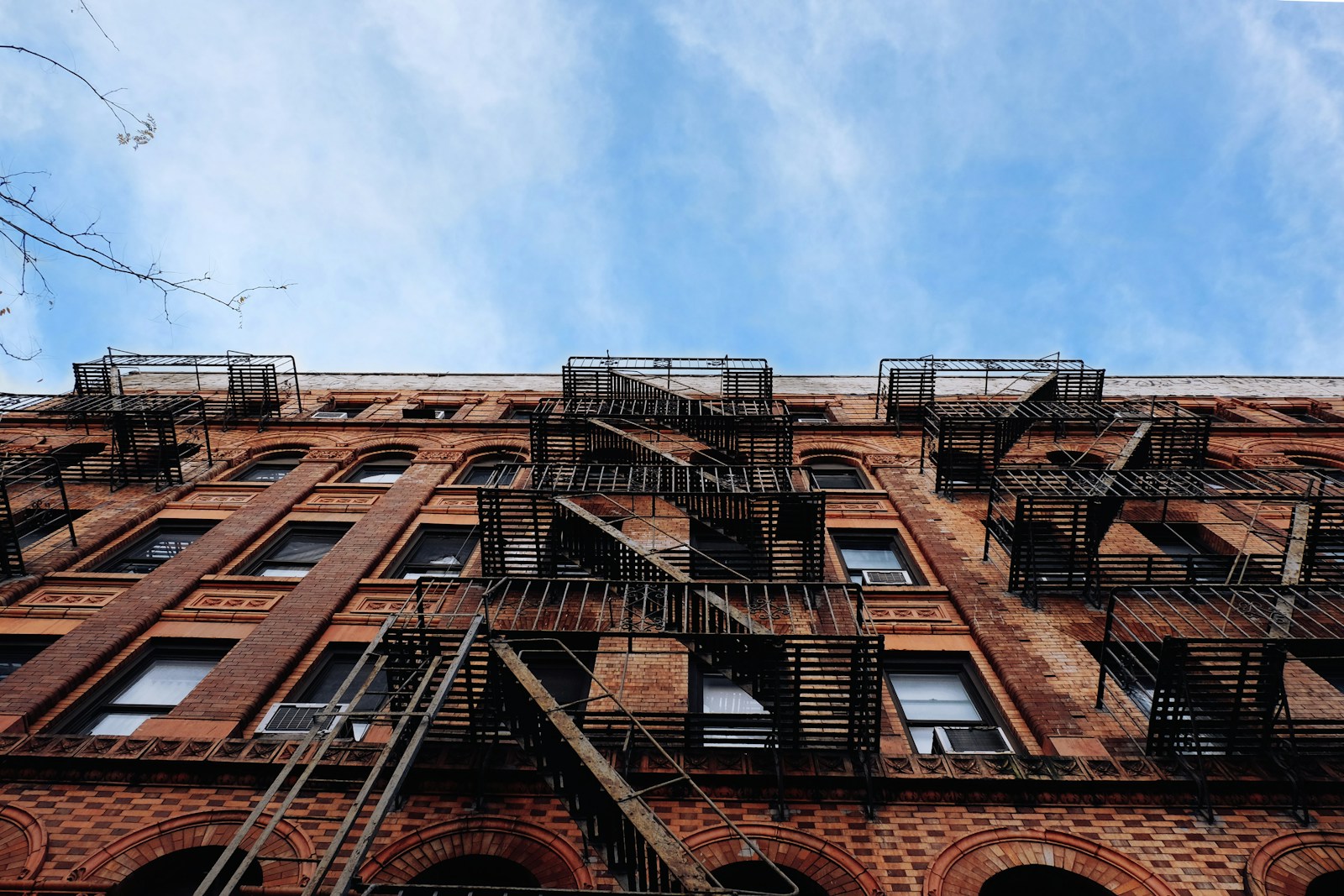
A programme to remove mould from New York’s public housing has been linked to a fall in asthma-related emergency hospital visits, according to new research published on Sunday (17 May).
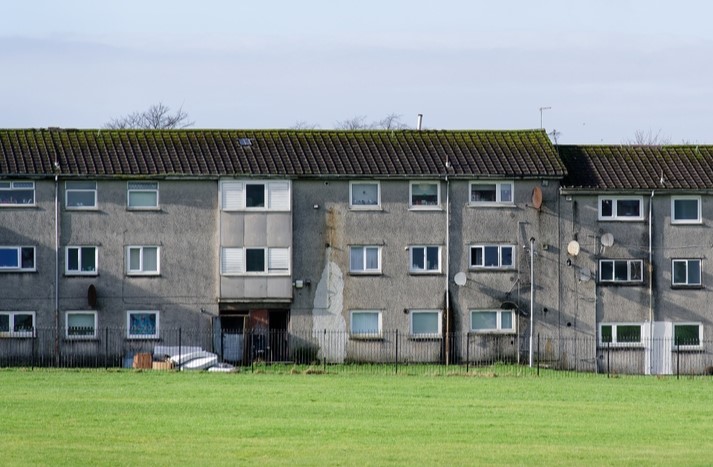
The Mould Busters initiative was introduced by the New York City Housing Authority (NYCHA) after tenants with asthma brought legal action over damp and mouldy conditions in apartments.
Researchers said the scheme is linked with around 2,800 fewer asthma-related emergency department visits each year, a reduction of about 25%.
The study is the first large-scale analysis to show that citywide mould removal efforts can significantly reduce severe asthma attacks.
Baez v New York City Housing Authority – the original lawsuit – was filed in 2013 by residents who argued that mould and excess moisture in their homes were worsening their respiratory conditions.
They claimed the authority had failed to meet its legal obligations under disability law.
Under the settlement, NYCHA was ordered to remove mould and address the underlying causes of damp. When compliance fell short, a court-appointed Special Master oversaw the programme, which became known as Mould Busters.
The scheme introduced new repair systems, specialist equipment and staff training, alongside upgrades to ventilation across the city’s public housing stock.
Comparing residents in public housing with people in similar nearby neighbourhoods, researchers found the programme was linked to nine fewer asthma-related hospital visits per 1,000 each year.
Dr Nina Flores, now a postdoctoral fellow at the University of Texas at Austin said: ‘These results suggest that housing interventions on asthma triggers could play a critical role in reducing long-standing asthma disparities.’
She added that buildings with the biggest drops in mould complaints also saw the largest reductions in asthma-related emergency visits.
Researchers note the study doesn’t include milder asthma symptoms, such as those leading to missed work or school, or other respiratory conditions linked to mould exposure.
‘The health benefits reported here likely underestimate the full scope of health-related benefits from the intervention,’ Flores said.
The team plans to repeat the analysis as more data becomes available to see if benefits are sustained or grow over time.
They are also conducting home visits to collect data on fungal exposure, allergic sensitisation and asthma-related illness among children in public housing, both after a complaint is filed and in the 12 months following mould removal.
Image: Daryan Shamkhali/UnSplash
In related news:
Leicestershire housing development sparks road safety warnings
Leave a Reply