












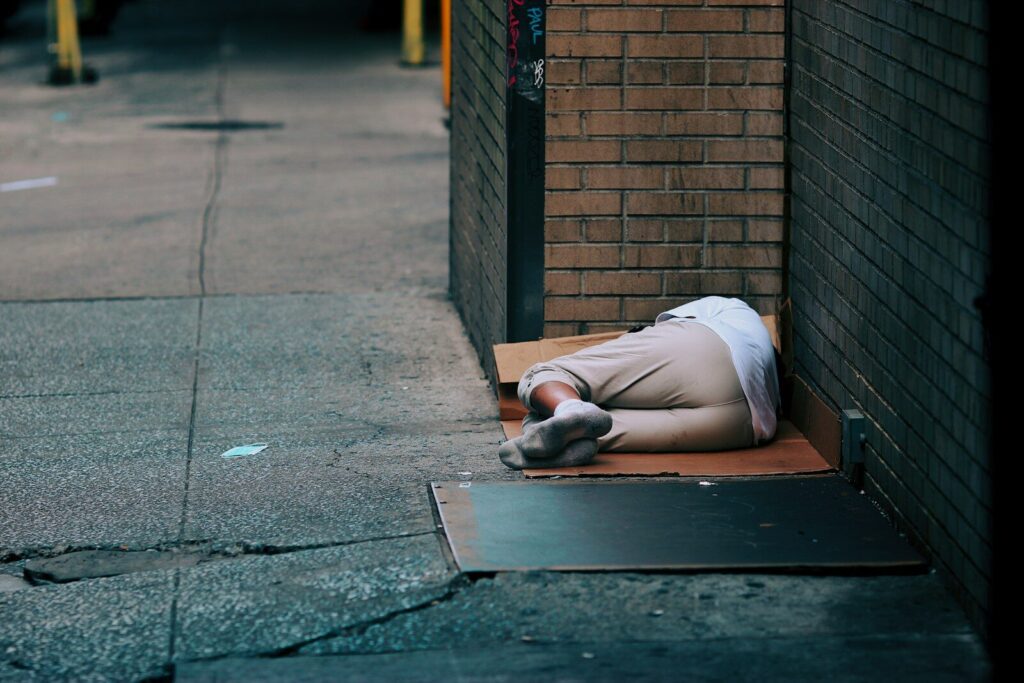


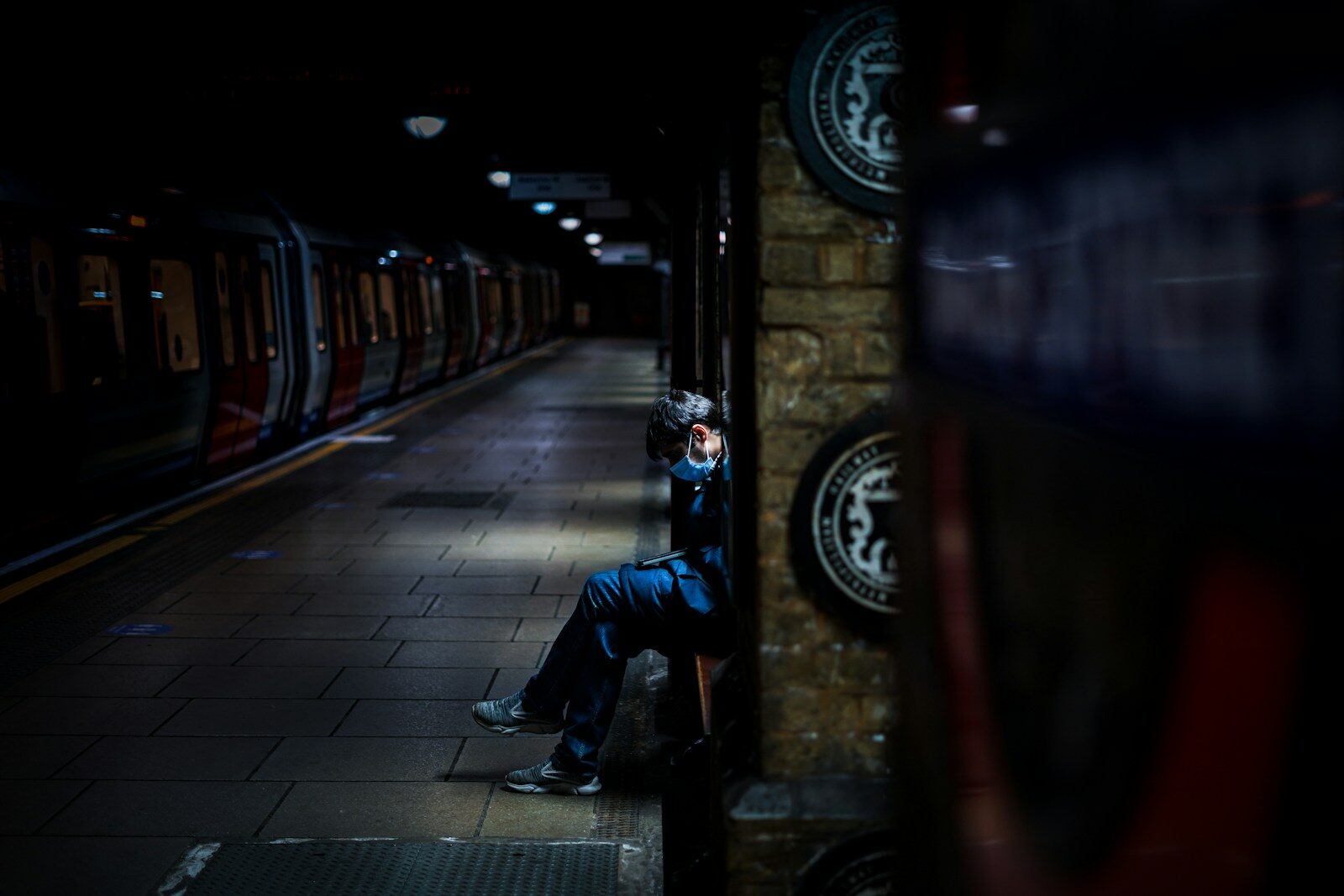
The number of young people sleeping rough in London has fallen by almost half in the past year, according to the latest City Hall data.
Data from the Combined Homelessness and Information Network (Chain) shows 202 people aged between 18 and 25 were recorded sleeping rough in the capital from April to June 2026.
The figure represents a 45% decline from the 366 young people recorded over the same period last year, marking one of the biggest improvements in the latest quarterly homelessness statistics.
Across London, outreach teams recorded 3,959 people sleeping rough between April and June – a 10% fall compared with the same quarter in 2025.
Lisa Doyle, head of policy and public affairs at the charity Centrepoint said the data proves ‘that rough sleeping can be ended’.
‘London is providing the blueprint for what can be achieved when political leaders have the vision and intent to end street homelessness,’ she said.
‘These figures are a real cause for celebration, but the job is not done. The mayor and the government [must] continue these efforts until rough sleeping is reduced to as close to zero as possible, and anyone forced onto the streets is helped off them quickly.’
Meanwhile, the Chain report highlighted the No Second Night Out scheme, which prevented 77% of new rough sleepers – 1,300 people – from spending a second night on the streets.
Long-term rough sleeping remains a challenge, with 680 people recorded in that category, up 6% on the previous quarter but down 14% on the same period last year.
UK nationals made up 54% of people whose nationality was recorded, while women accounted for 18% of London’s rough sleeping population after a fall of almost 7%.
A spokesperson for Sir Sadiq said: ‘It is encouraging to see a further fall in rough sleeping in London. This shows that the mayor’s Rough Sleeping Plan of Action, launched last year, is having an impact but we know there is more work to do.’
They added he is ‘focused on doing everything he can to get London on a pathway to ending rough sleeping for good by 2030’, including an £8m investment through City Hall’s budget.
Image: Robert Likovszki/UnSplash
In related news:
Why regenerative design is the next chapter for the built environment
New devolution powers will end ‘the death grip of the Treasury’
Leave a Reply