















Regional mayors in England can borrow money for major projects and keep a share of income tax under government plans to devolve powers from Whitehall.
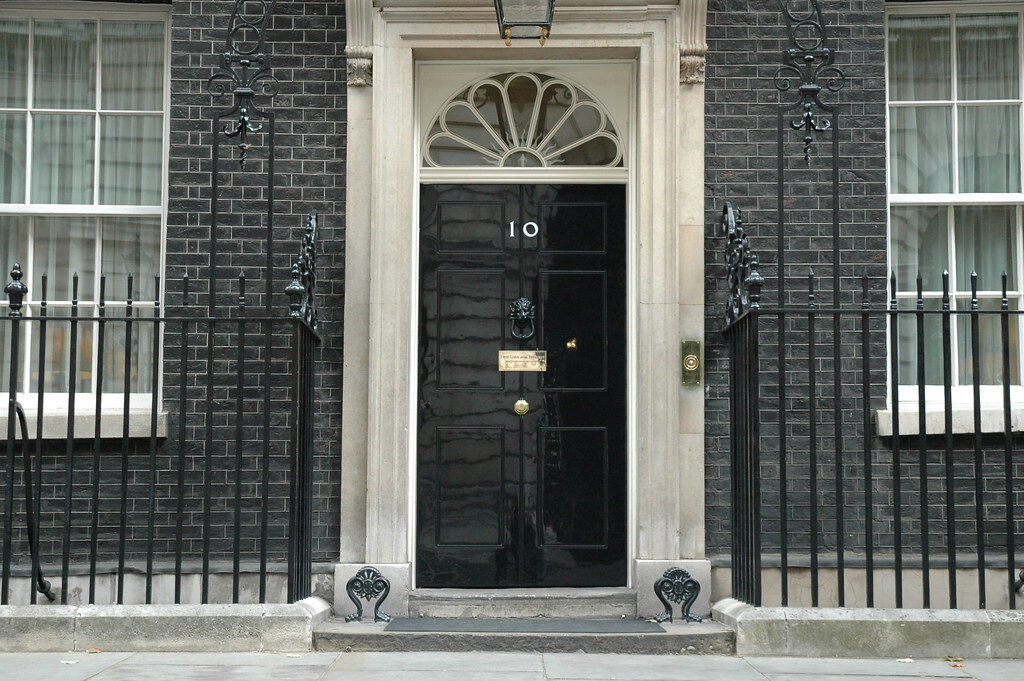
Prime Minister Andy Burnham has announced that from 2028, mayors will retain a share of income tax raised in their areas, alongside business rates from April 2027.
The funding will replace existing government grants rather than provide additional money, but local leaders said it would give them greater financial certainty.
Oliver Coppard, mayor of South Yorkshire, said: ‘It’s really important because it gets us out of the death grip of the Treasury and gives us that long-term certainty around income.’
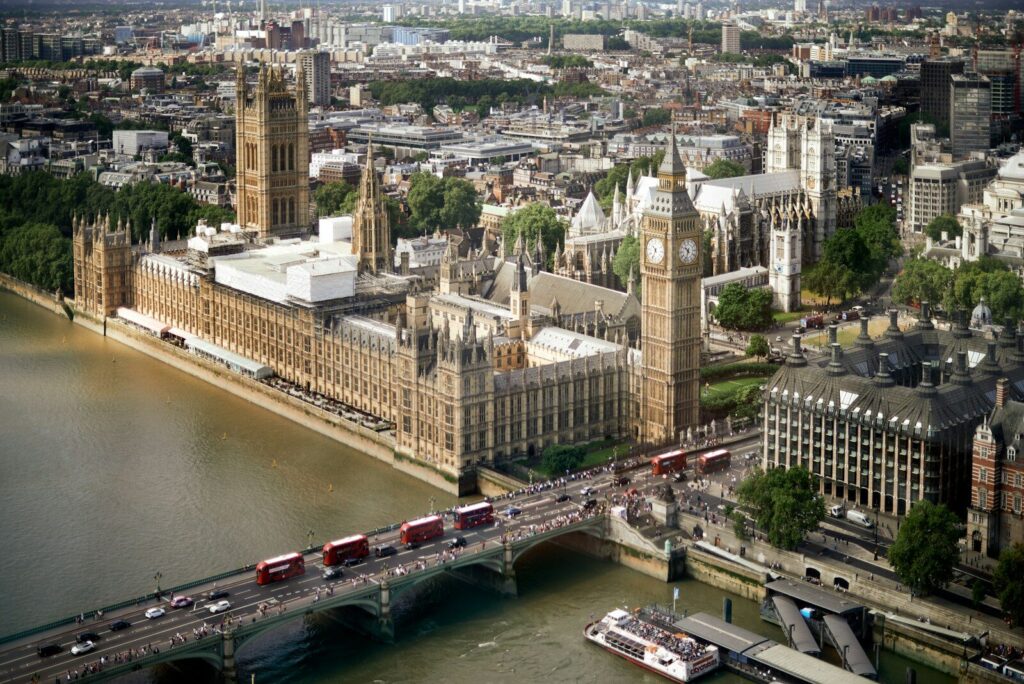
Burnham has described the plans as ‘the biggest transfer of power from Westminster in a generation’. He added: ‘Under our plans, more of the taxes raised in a community will stay in that community. Soon, every local leader will have the power and resources to improve public transport, build homes and create jobs.
‘I know what it’s like to be ignored by politicians in Westminster. I’m not going to make that same mistake now I’m prime minister.’
News of the plans come after Burnham announced mayors will take more control of technical education. Some of the prime minister’s advisers have also proposed giving mayors responsibility for schools, GPs and childcare through health and education commissioners.
Downing Street said the civil service would become ‘smaller and more strategic’ as more decisions are made outside London.
Experts said one of the biggest changes would allow councils to borrow against future income over 30 years to fund major housing and transport projects without needing Treasury approval.
Henri Murison, chief executive of the Northern Powerhouse Partnership, said the shift would ‘completely transforms’ what combined authorities could achieve. He said borrowing against future income could help deliver projects including an underground station at Manchester Piccadilly.
Currently, Labour haven’t confirmed what proportion of income tax or business rates mayors will hold onto – Chancellor John Healey is expected to explain more in the autumn budget.
Jonathan Carr-West, chief executive of LGIU, said: ‘The Prime Minister has made devolution a central pillar of his agenda, and today’s announcements, ten days into his premiership, suggest he is serious about that.
‘While much of this agenda had already been set in motion by former Chancellor Rachel Reeves, it is clear that the Prime Minister has accelerated this by ‘Rewiring The State’.’
‘Although further details are to come at the Autumn Budget and an accompanying White Paper, today’s Cabinet Statement confirms the transformative potential of today’s announcement,’ he added.
Plan offers homeless families a route out of temporary accommodation
Regeneration could leave older residents behind, study warns
Leave a Reply