














A housing provider has called for derelict council-owned land to be used for modular homes as councils continue to face rising costs for temporary accommodation.
According to the latest government figures, more than 134,000 households in England are living in temporary accommodation, including around 176,000 children.
Alongside this, local authorities are also facing increasing financial pressure. The Local Government Association claims councils spend about £2.8bn a year on temporary accommodation and has warned the figure could climb to £4bn by the end of the decade.
Against this backdrop, Places for People (PfP) – one of the UK’s largest social housing providers – is calling for some of that money to be invested in modular homes built on unused council land.

Image: a modular home being moved from a factory onto site
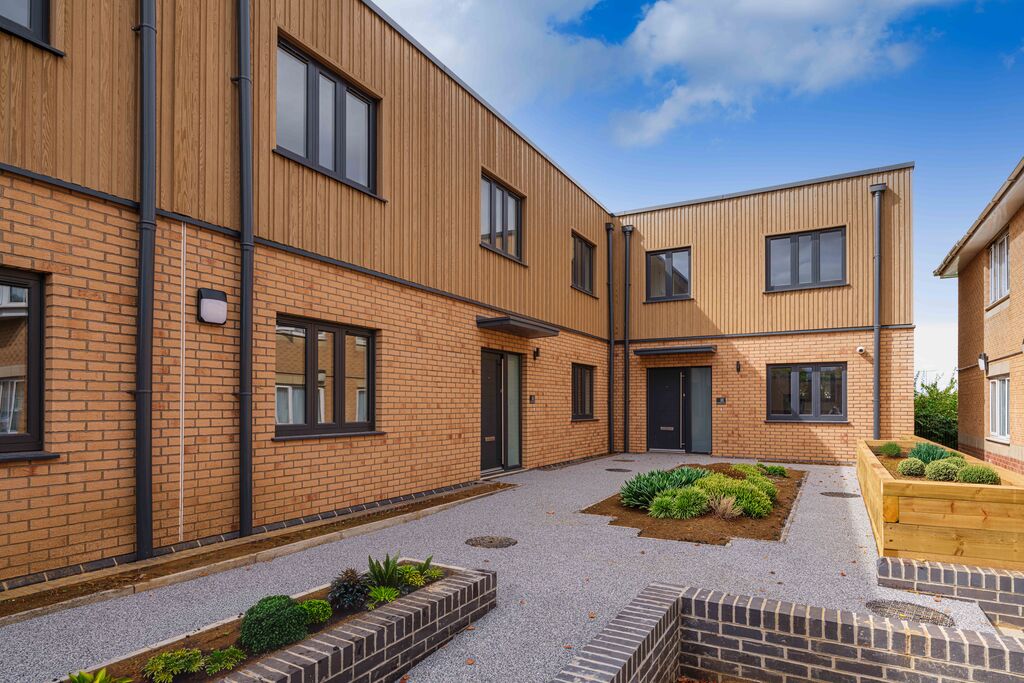
The organisation said the homes, which are built in factories, can be placed on small sites including vacant plots and former car parks.
PfP estimates councils could save around £24,540 a year for every household moved from an emergency hotel or B&B into one of these properties.
The proposal follows work already under way in Bristol, where the organisation has worked with the council to provide modular homes for people at risk of homelessness. So far, 20 houses have been completed.
Teri Jackson, a 38-year-old who spent more than seven months in emergency accommodation with her two sons, was one of the first residents to be offered a modular home.
‘For seven months I had no fixed address and me and my sons were just living on top of each other,’ she said. ‘There was nowhere I could cook or wash clothes and we ate takeaways every night. It was unhealthy and so expensive.’
‘For the last seven weeks, I was moved every Monday. I wouldn’t know where we were going until that morning. I had to pack everything on Sunday, wait, then move,’ she continued.
‘My son missed school every Monday for seven weeks, and I had to take time off work. At one point we were placed in Bath, a 90-minute round trip to school. It felt like I didn’t exist – I was just surviving for my children.’

Image: Terri and one of her sons.
Jackson said she later saw an invoice showing Bristol City Council had been charged £2,900 for a three-week hotel stay, despite having no facilities to cook or wash clothes.
Currently, the 38-year-old lives in a one-bedroom flat which is managed by PfP. Terri added: ‘When I moved into my current place, it felt amazing because we could cook, wash, and have privacy. But it’s still one bedroom.
‘Both my children have additional needs, and the space just doesn’t work. This modular home will change everything. Just having space – somewhere we can properly live – would mean the world while we wait for a permanent home.’
Larry Gold, chief executive for housing and communities at PfP, said: ‘Temporary accommodation has become a national crisis, with hundreds of thousands of families – including 176,000 children – growing up in hotel rooms and B&Bs without the stability or space they need to thrive.
‘There is a clear opportunity and urgent need to do things differently and we want to use our experience to help government and councils end the homelessness and temporary accommodation crisis.’
Images: Places for People
In related news:
Regeneration could leave older residents behind, study warns
Leave a Reply