


















The cost of repairing NHS buildings could exceed £16bn by the end of this financial year, according to new research by Property Inspect.
Published at the beginning of this week, the analysis of government data found hospitals and other NHS facilities account for £13.8bn of the UK’s estimated £48.6bn public-sector maintenance backlog, making healthcare buildings one of the largest contributors to the total repair bill.
The company estimates the backlog could reach £16.2bn by the end of 2026-27 if current trends continue. Hospitals and other NHS facilities account for £13.8bn of the UK’s wider public-sector maintenance backlog, which is estimated to total £48.6bn.
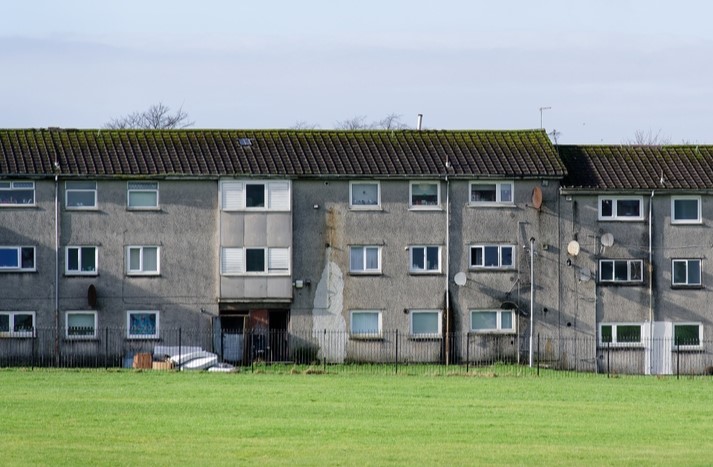
News of the findings comes amid concerns about the condition of some NHS buildings, with problems reported in recent years including damp, ageing infrastructure and structural issues.
The analysis found NHS sites account for almost 30% of all outstanding public-sector repair costs. Only Ministry of Defence properties have a larger maintenance backlog, at £15.3bn.
Sián Hemming-Metcalfe, Operations Director at Property Inspect, said: ‘The NHS is now carrying a repair bill that would have seemed unimaginable a decade ago. With the backlog approaching £15 billion, the scale of the challenge facing healthcare estates teams is enormous.
‘Behind these figures are buildings that patients, doctors, nurses, and support staff rely on every day. Nobody receiving treatment or providing care should have to worry about the condition of the building around them or whether maintenance issues could pose a risk to their health and safety.’
‘No organisation can avoid maintenance indefinitely without consequences,’ She continued. ‘By the time a roof is leaking, damp has spread through a building, ventilation systems are failing, or structural defects require urgent attention, the cheapest opportunity to resolve the issue has usually already passed.
‘Regular inspections, detailed condition reporting and proactive maintenance programmes are essential because they allow problems to be identified and addressed before they escalate into major remediation projects.’
Image: Jesse Doka/UnSplash
In related news:
Starmer resigns: will housing still have a home in government priorities?
Leave a Reply