

















Four proposed mergers withdrawn and 14 more paused for review, following legal challenges.
Plans for a major overhaul of local government across the country, introduced under Keir Starmer, have been suddenly halted following new legal advice. The decision has caused shockwaves.
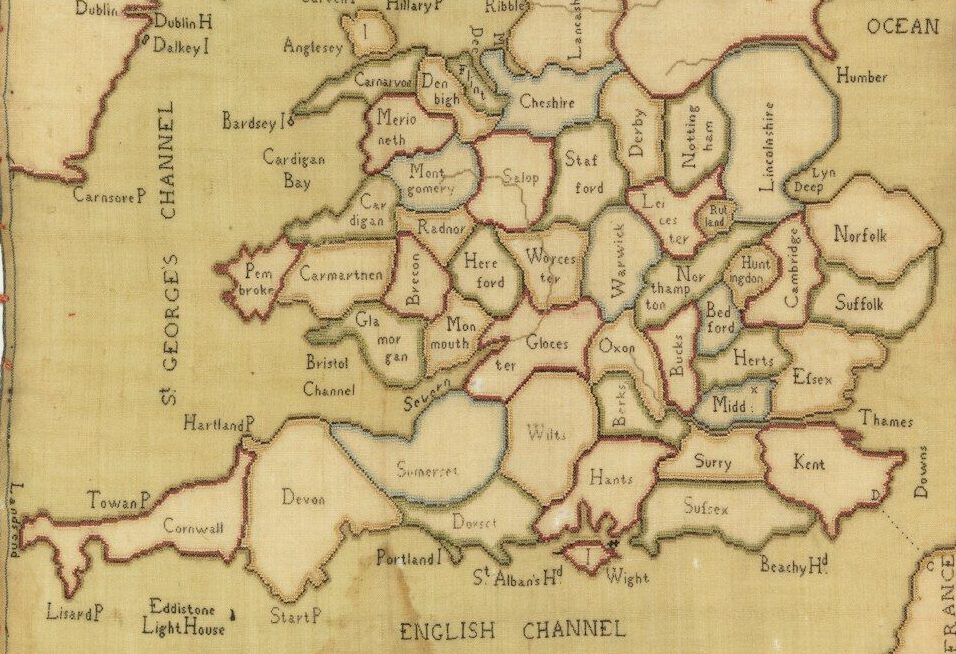
The plans to merge smaller local councils in four counties – Essex, Hampshire, Norfolk and Suffolk – have been entirely withdrawn, while plans for similar mergers in 14 other areas are being looked at again.
The new unitary authorities in Surrey, where elections were held in May this year, will not be affected. Local elections scheduled to take place in May 2027 will do so on the basis of current council boundaries.
In 2024, the Labour government announced plans to change the way local authorities are organised, to make them more consistent. Currently, some local government is divided between county councils responsible for such matters as education and social care, and district councils responsible for such matters as waste collection. In other parts of the country, unitary authorities cover both these things.
What’s more, the areas around the country’s bigger cities now often cluster under regional mayors or combined authorities.
The idea was to redraw boundaries, abolish smaller district councils and make every local authority a unitary one, with the aim of making service delivery simpler and more efficient. But critics feared the cost of the new arrangements would outweigh any potential savings, and would lead to councils being more remote from the people they are meant to serve. Legal challenges had been raised against the government’s proposals.
Now, the government had accepted legal advice that is should pause the reorganisation, and in some regions withdraw plans altogether. Communities Secretary Angela Rayner is expected to address Parliament on the issue shortly.
The decision has been met with a range of responses. Jonathan Carr-West, Chief Executive of the thinktank Local Government Information Unit (LGIU), says: ‘What began as the most ambitious change to local government in a generation now looks in danger of becoming a colossal white elephant – a huge drain on time, resources and goodwill. Those councils undergoing local government reorganisation have been trying to implement a massively complex project, under intense pressure and to very challenging timescales. LGIU’s concern is not the merit or otherwise of the LGR decisions – many others have made well-argued cases both for and against the many proposals that were submitted.
‘Our overriding concern is that local government leaders, staff and councillors have strained every sinew to meet the deadlines set by MHCLG. Today’s announcement – whatever the reasons behind it – rides roughshod over thousands of hours of work. If the Prime Minister is serious about his ambitions to rewire the state, then lessons must be learned from this debacle and learned fast. The proposed rewiring transformation is potentially a much larger undertaking than LGR, involving many more sectors and institutions. Its success will rely on collaboration and trust and the very local institutions that today’s announcement impacts most. All of which have been dealt a severe blow today.
‘The Prime Minister needs to bring councils with him – as we have said time and again, local government is vital to his aspirations. The autumn White Paper will need to do a lot of heavy lifting to begin to rebuild trust across the sector and belief in a shared vision for the future of regional and local government.’
Laura Hughes, Partner and Head of Public Law at UK and Ireland law firm Browne Jacobson, adds: ‘It’s been clear from the moment that Andy Burnham stepped foot in No 10 that devolution is the number one priority when it comes to the future of local government. The Prime Minister wants every local area to be armed with the powers he enjoyed as Greater Manchester Mayor, while further financial resources are coming their way soon with the Chancellor today confirming he will set out a roadmap to fiscal devolution at the Budget.
‘All this will take up plenty of officer time within authorities that are already stretched, making it not just ambitious but probably unachievable to run LGR and devolution streams in tandem. It therefore felt somewhat inevitable that local government reorganisation would be deprioritised, particularly with the threat of judicial reviews in some areas where there has been widespread local opposition to decisions.
‘Government’s reluctance to publicly disclose information relating to legal claims that are in motion or threatened by the 14 areas where LGR decisions were recently made pointed to a nervousness in Westminster about how those decisions were made. The emphasis on “privileged” legal advice being given to government suggests that today’s announcement reflects a decision based on legal risk. However, this decision is also politically convenient for a Prime Minister looking to focus more on devolution as it effectively creates the space to do just that.
‘Within the local government sector, there will be a mix of frustration at possible wasted costs and further uncertainty, and relief that the unrealistic timetables have been relaxed. Questions remain on the length of this pause, and whether it really is just a pause or a full stop. We now expect the Government to focus on going further and faster with devolution. We have previously seen government put strategic authorities in place on short timetables, so it’s possible that if work starts now that some areas could have mayoral elections in May 2027.’
Photo by Smithsonian / Unsplash
In related news:
Housing associations sell social homes at fastest rate on record
Leave a Reply