















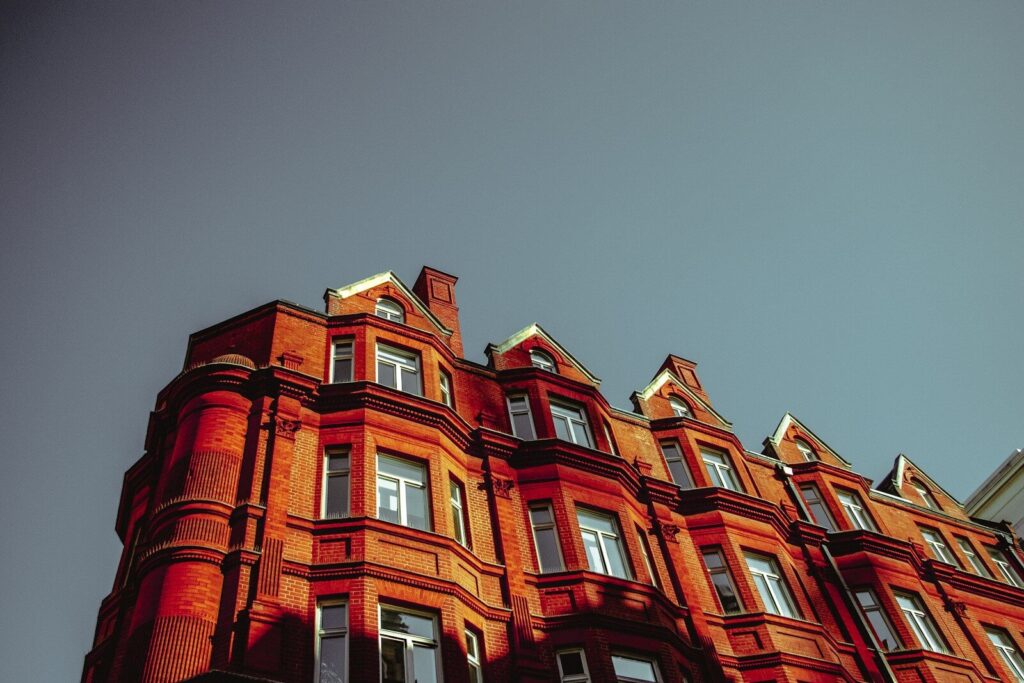


Nearly half of people on an average income living in European cities can only afford a home the size of a small one-bedroom flat or studio.
New research shows 44% of Europe’s urban population live in a city where an average income would buy less than 50 sq m of property – roughly the size of a one-bedroom flat or studio apartment.
The study, published in the Journal of Maps, also found 39% of Europeans couldn’t afford to rent a property of that size.
To conduct the research, experts mapped housing affordability across more than 30 European countries, identifying areas around Paris, Berlin and Madrid among the worst affected.
Portugal, Poland and the Netherlands were also highlighted as countries with particularly high levels of unaffordability.
Researchers at TU Wien in Austria analysed 22 million property listings, alongside regional income data, to see how much living space people on an average income could afford.
They discovered more than 70% of Europe’s population live in regions where a 30-year mortgage would buy nothing bigger than 75 sq m.
The problem was most acute in densely populated urban areas, where higher property prices were outstripping incomes, the researchers said.
Tourist hotspots, including coastal and mountain regions, were also affected, with second homes and short-term rentals contributing to pressures on local housing markets.
Lead author of the study, Franziska Sielker, said: ‘Our study…points to a substantial housing affordability crisis in the making. One that already disproportionately affects newcomers to the market as well as people who change their location frequently, for personal or professional reasons.
‘This is the case in capital regions, major urban centres, coastal zones, and tourism-intensive alpine areas, alongside large rural supply gaps in rental markets.’
Dr Selim Banabak, co-author of the study, added: ‘The severity of the challenge is underestimated for most of the population. It’s important to emphasise that the problem has two sides: the cost side and the income side.
‘In order to close the gap, it is important to be aware of both.’
The study, which can be read in full here, was based on advertised property prices rather than completed sales. It also used broad municipal data, which may overlook differences between neighbourhoods and didn’t consider other barriers to buying a home, such as the deposit.
Image: Shahabudin Ibragimov/UnSplash
In related news:
Homes near London private schools ‘cost up to 22% more’ – research
Leave a Reply