












London’s local authorities are facing a £5.2bn budget gap over the next four years, according to new figures from the group representing them.
Figures from London Councils shows boroughs are already dealing with a £1.2bn shortfall in 2026-27, with the cost of services such as social care, homelessness and support for children with special educational needs continuing to rise.
The longer-term gap has also grown. The cross-party group estimated it at £4.7bn last year and £2.2bn the year before.
Nine of the capital’s 33 boroughs are currently receiving Exceptional Financial Support from the government, which allows councils to take emergency loans when they cannot balance their books.
More than a third of the £1.5bn in emergency support given to councils in England has gone to London boroughs.
Cllr Stephen Cowan, Chair of London Councils, said: ‘Boroughs have a vital role to play, but are too often held back by enormous budget pressures. As we plan how best to invest in local services, to build housing, and to grow our economies, a worsening funding gap looms large over everything we do.’
‘Everyone knows the local government finance system is broken,’ Cowan continued. ‘The upcoming Budget is an opportunity to help stabilise town hall finances, give boroughs more fiscal tools, and support the local delivery we all want to see.’
Ahead of the autumn budget, due to take place on 28 October, London Councils is asking the government to give boroughs more control over their finances. This includes allowing councils to keep more of the business rates they collect and have a say in how money from an overnight visitor levy is spent.
The group is also calling for more money for council housebuilding. London councils spend £5.5m a day on homelessness provision, while one in 50 Londoners is homeless and living in temporary accommodation.
It wants the government to change the way housing benefit is calculated for temporary accommodation, as well as increasing the amount available.
Meanwhile, London Councils is asking for longer-term funding for employment and skills programmes, and investment in projects including the Bakerloo line extension and West London Orbital.
Authorities must balance their budgets each year, meaning boroughs will have to make savings or use reserves to cover the shortfall.
The cross-party group said funding per head, after inflation, will be almost 17% lower in 2028 than in 2010.
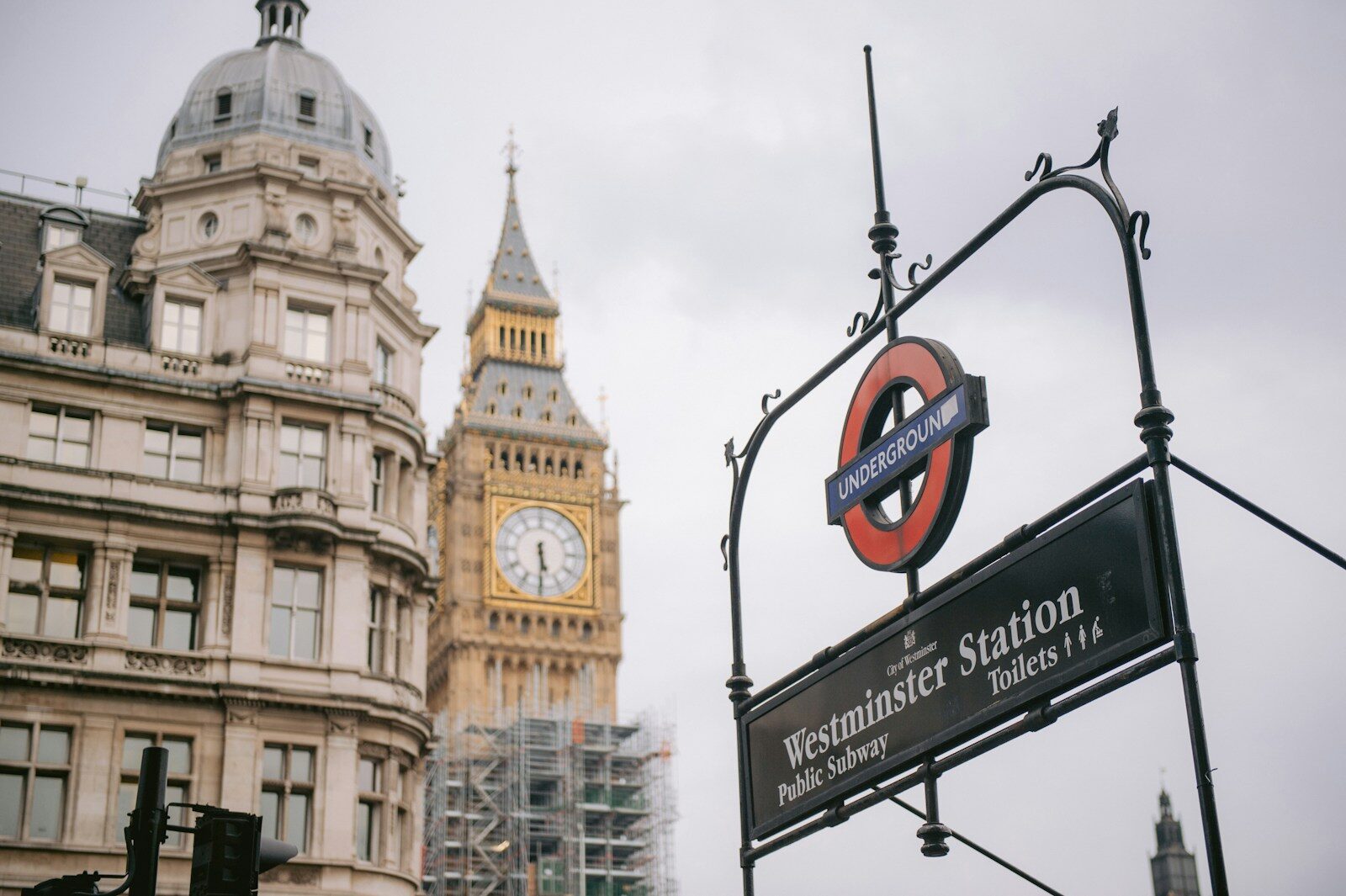
Image: The Now Time/UnSplash
In related news:
Leave a Reply