
















Sam Singleton was homeless while working as a full time vehicle technician. Looking back, he asks how much of that crisis could have been prevented before temporary arrangements became normal.
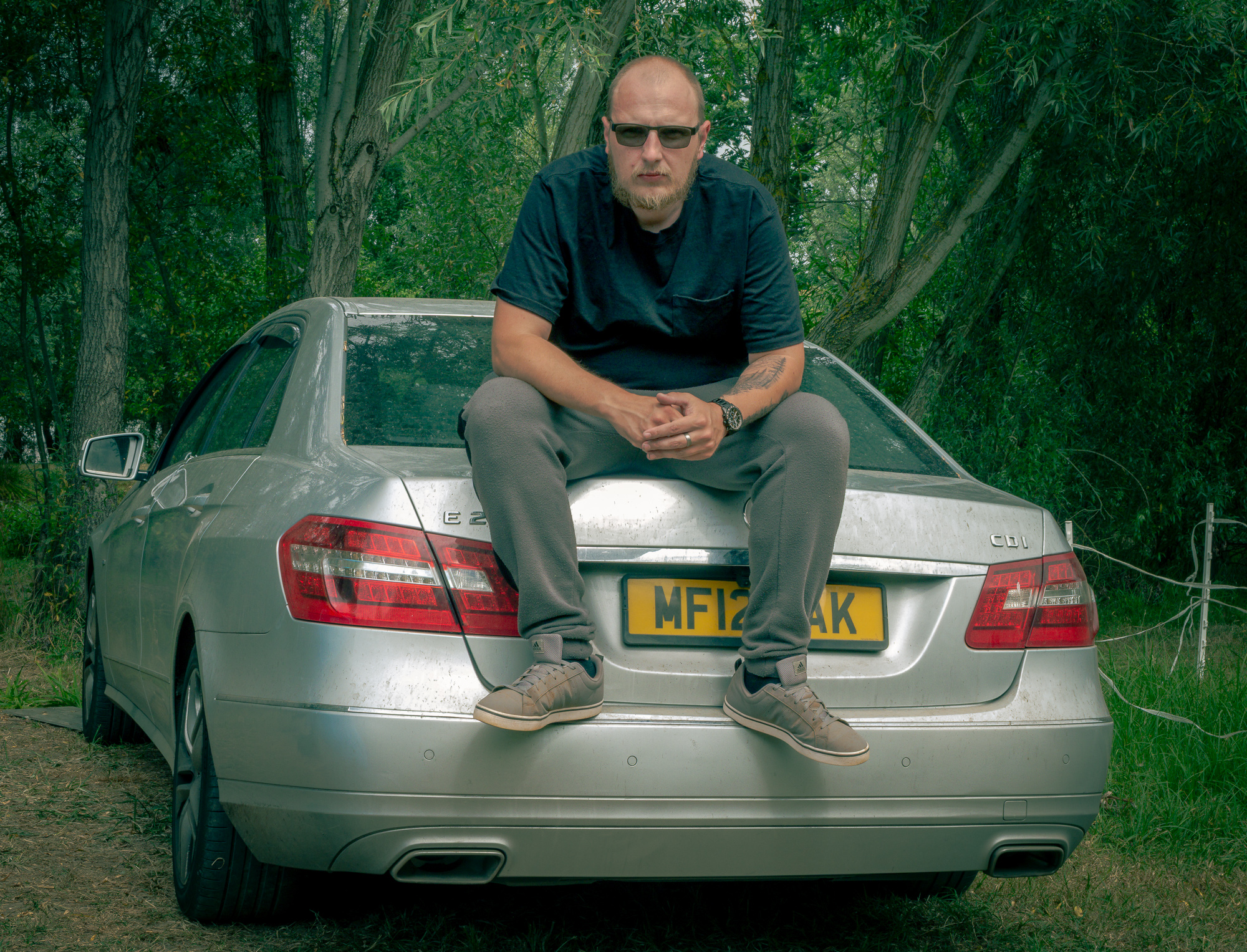
Image: Sam Singleton sitting on the boot of his car, which also served as his home
On the first morning I woke up homeless, I packed my bed away before daylight.
The bed was a sheet and bedding spread across the back of my car. I folded it, pushed it out of sight and turned the bedroom back into a vehicle before anybody needed to know what it had been overnight.
Then I carried on as normally as I could. I was still employed full-time as a vehicle technician. I still had a wage coming in, a car, clean clothes and somewhere to be in the morning. From the outside, quite a lot of my life still worked.
I just didn’t have a safe home to go back to.
That lasted for 23 nights.
Looking back, I keep coming back to a different question. How many points were there when this could have been prevented, shortened or stopped from becoming homelessness at all?
England already has a legal framework built around that idea. Under the prevention duty, a housing authority must take reasonable steps to help an eligible person who is threatened with homelessness within 56 days. Government guidance also encourages authorities to offer help earlier where possible. If an eligible applicant is already homeless, the relief duty applies instead.
My problem was that I didn’t have 56 days. I barely had 56 minutes.
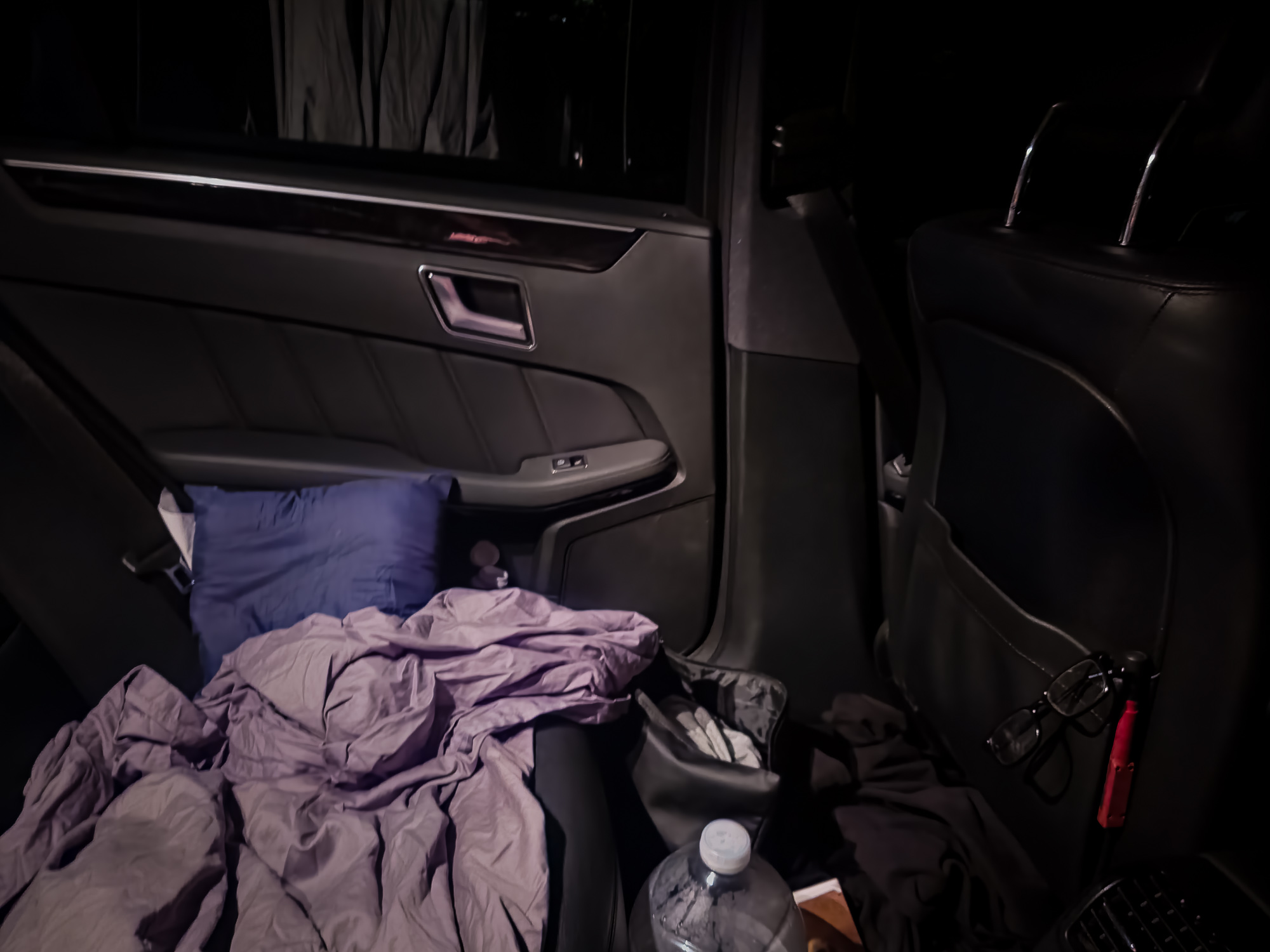
Image: Sam’s sleep set up in his car
On Friday 10 July, a family situation escalated and home stopped feeling safe. I left with a couple of changes of clothes and the basics I could quickly take with me. That night I slept in the car. By Monday I had contacted housing services.
There had been no long warning period before I left. The crisis happened first; paperwork and arguments about the tenancy came afterwards. I was still named on the tenancy. In practice I was sleeping in a car because I didn’t believe returning was safe.
Some housing crises announce themselves months in advance. Others happen between breakfast and bedtime. Prevention has to be able to recognise both.
Very quickly I was dealing with housing services, the police, my landlord, legal processes and work. Each part made sense on its own. Together they became another job.
I was trying to establish my housing rights while staying safely away from the property. I needed medication, documents, work clothes and basic belongings from inside. I needed somewhere to sleep while that happened, and I needed to keep earning the wage that might eventually get me housed again.
With police present, I eventually recovered enough to make a temporary home: a tent, air mattress, sleeping bag, stove, clothes and a few other essentials.
It was better than the car. It was still a tent
At commercial campsites I had showers, toilets and somewhere I could leave the bedding out overnight. I could unpack a little kitchen and wash up in a communal sink instead of organising almost every part of life around the car.
None of that gave me a home.
Work became another pressure point. I repair cars for a living, and tiredness matters when somebody else is going to drive what you’ve just repaired.
The warning came when a lower suspension arm fought me for too long and I lost my temper, throwing a hammer across the workshop. It bounced harmlessly off a tyre. Nothing was damaged and nobody was hurt, but the reaction was enough. I knew the lack of sleep was affecting me.
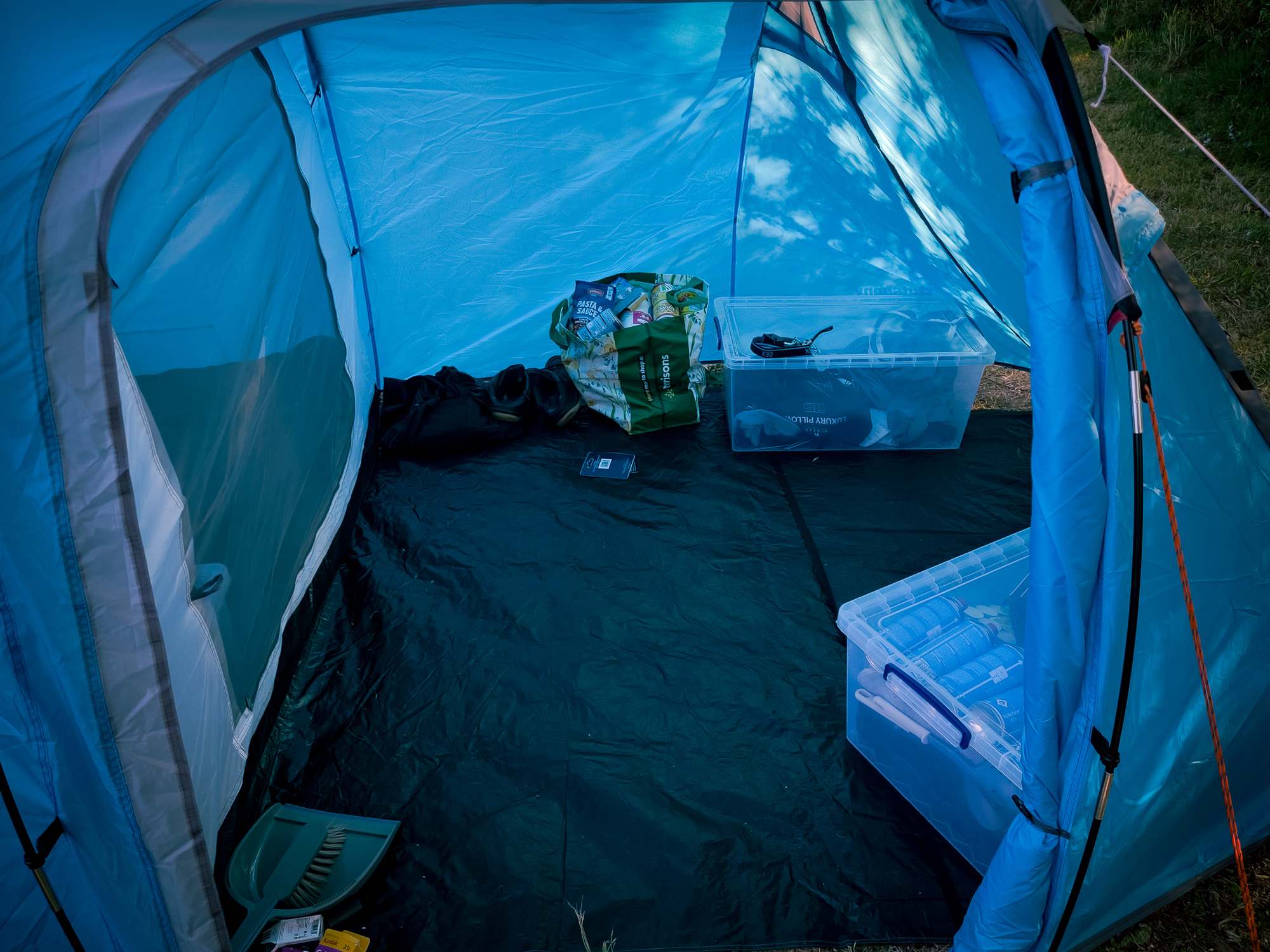
Image: The tent Sam used as his home
I used all of my remaining annual leave because I didn’t trust myself to keep working safely while exhausted and trying to manage a housing crisis around every shift.
My employer wasn’t a homelessness service. My holiday entitlement effectively became one.
It bought me time, but it didn’t solve the problem.
I was watching room adverts and trying to find somewhere close enough to work that the commute wouldn’t create another financial problem. One room I was considering was around £630 a month including bills, with a £500 deposit.
The monthly rent was affordable from my wage.
The crisis wasn’t.
That was the point where prevention stopped being a policy word and became arithmetic. In my case, the gap between homelessness and a workable room wasn’t years of support. It was a deposit, the first month’s rent and somewhere safe to stay while I arranged it.
I secured a room on 2 August. The first month’s rent and £500 deposit came to £1,130. It ended the question of where I would sleep that night, but almost wiped out the money I had available for everything else.
Nine days later, after I had finally recovered the rest of my belongings and paid the other costs that came with starting again, I woke up with 41p.
I could afford to be housed.
I could barely afford to become housed.
I don’t think there was one obvious intervention that somebody simply failed to make. Real crises aren’t that tidy. A council couldn’t resolve the family situation for me. The police couldn’t find me a room. My employer couldn’t adjudicate a tenancy dispute, and a private landlord wasn’t responsible for the circumstances that brought me to his door.
But that is almost the point.
Homelessness can sit in the gaps between otherwise separate systems.
The official figures show how often prevention still ends in homelessness. Between January and March 2026, 39,200 households in England were assessed as being threatened with homelessness and owed a prevention duty. Of the prevention duties that ended during that quarter, 25% ended because the household became homeless.
The December 2025 National Plan to End Homelessness puts prevention at the centre of the strategy and calls on public services to identify people at risk earlier, work together and connect them with support.
From inside the crisis, the gap between those systems was obvious. Housing knew I had a housing problem. The police knew there was a safety issue. Work knew enough to see I needed time away. My landlord knew the tenancy position. None of them held the whole problem.
What I didn’t have was anybody holding the whole picture. The outcome I needed was simple: keep me safely housed, or get me safely rehoused before the temporary arrangements became normal.
I was also relatively fortunate. I had a car and a wage. Friends fed me, gave me a sofa for two nights and washed my clothes. Once I recovered the camping equipment I could stay on campsites instead of sleeping in the car. I could search for rooms myself, and I could afford the ongoing rent once I found one.
Those advantages are part of the story, not reasons to dismiss it. If anything, they meant I was probably one of the easier people to prevent from remaining homeless.
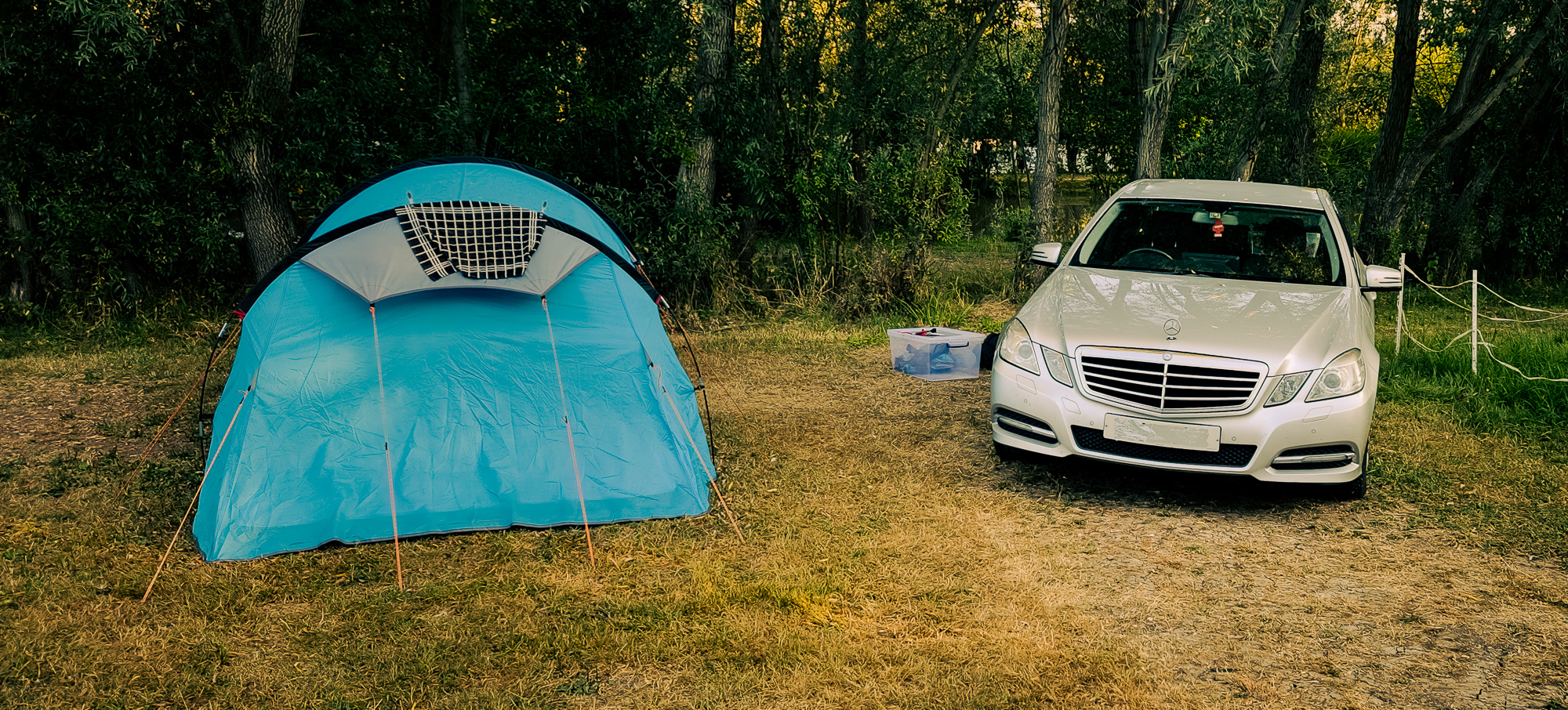
Image: Sam’s tent and his car
I didn’t need somebody to rebuild my entire life for me. I needed the gap between an unsafe home and another affordable one to become shorter.
For somebody in my position, that could have meant a few safe nights, quicker access to a deposit or rent guarantee where the ongoing rent was affordable, and one named person who could join up the housing and safety problems instead of leaving me to carry them between services.
That is what prevention looked like from inside it: not a complete rescue, just a shorter gap.
Most days I still went to work, washed my clothes, hid the bedding, paid campsite fees and searched room adverts. From the outside I could look reasonably functional while having nowhere secure to go at night.
The homelessness was happening anyway.
Twenty-three nights is short compared with what many people experience. I’m very aware of that. But prevention should be interested in short periods. The whole point is to stop them becoming long ones.
The useful question isn’t what could have happened after I had already been homeless for weeks. It’s what could have happened on day one, day three or day seven so there never had to be a day 23.
If prevention only becomes effective once a housing crisis has already become homelessness, we’ve missed the best part of the opportunity.
Sometimes prevention happens a long way before the pavement.
Sometimes there isn’t a pavement at all.
Images: Sam Singleton
Other features:
Can local government reorganisation help generate revenue for councils?
Leave a Reply