














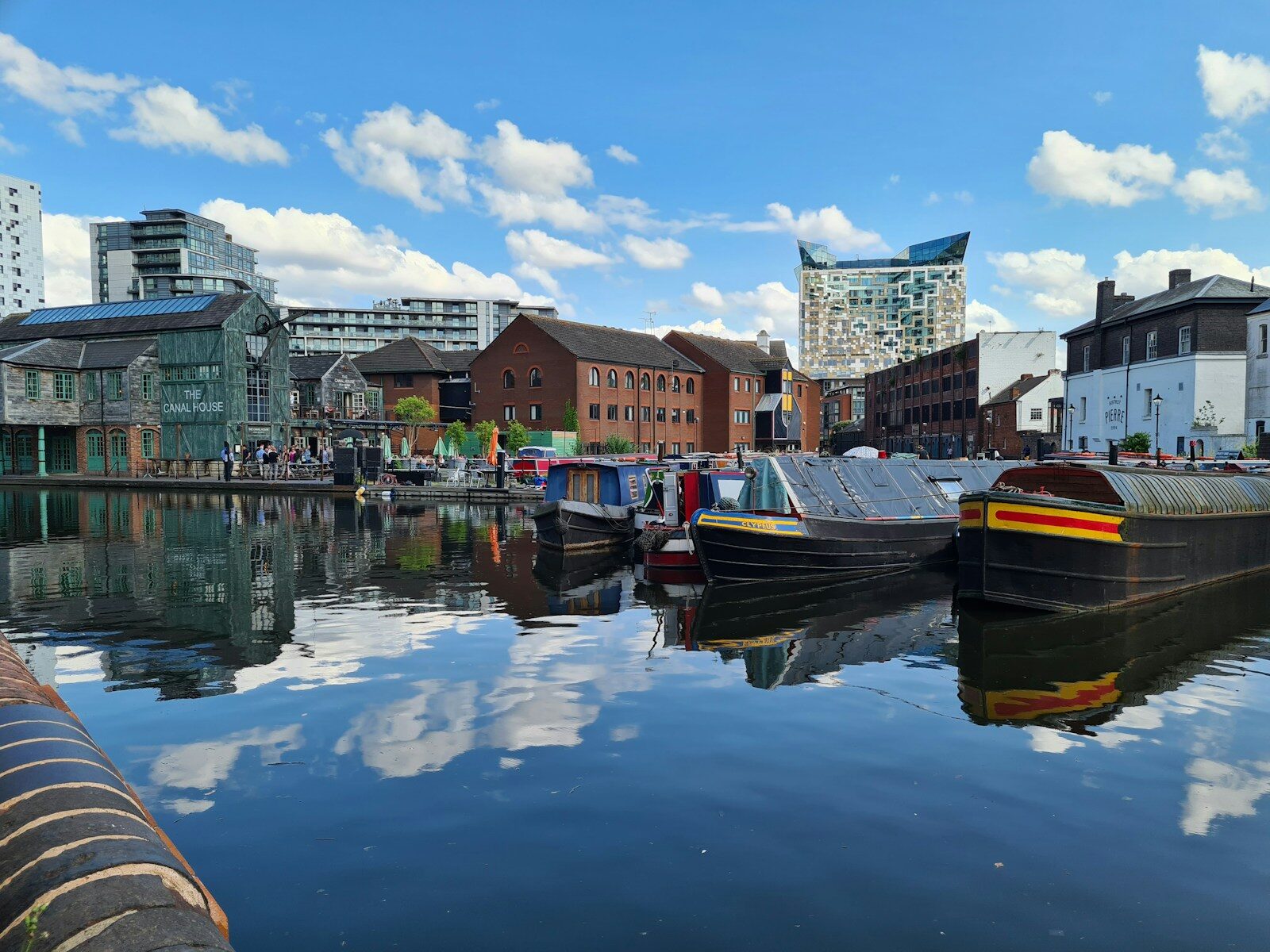
Birmingham City Council is proposing to create new nature conservation sites and extend existing ones across the city, as part of a broader effort to protect green spaces and support environmental recovery.
A report going to cabinet next week recommends 14 new sites and extensions to six existing ones. The sites will be designated as either Sites of Importance for Nature Conservation or Sites of Local Importance for Nature Conservation – designations that provide a level of nature protection not covered by national or international statutory frameworks.
Crucially, the proposals include sites in inner-city areas as well as the city’s leafier outer suburbs. Wheels Park in the Sports Quarter and Bordesley growth area, for example, is proposed for designation due to rare grassland supporting locally uncommon plant species, alongside nearby woodland, scrub habitats and canal and railway corridors that form part of the city’s wider nature network.
Deputy leader Cllr Julien Pritchard said protecting nature was a key priority for the current administration. ‘These new designations in areas across the city will help give vital protection to these nature areas. As the city evolves, we want to ensure we have the plans in place that guide the development and regeneration of Birmingham – for the benefit of all residents, businesses and nature here.’
The designations form part of both the City of Nature Plan, which focuses on environmental recovery and improving residents’ access to green spaces and the new draft Birmingham Local Plan for 2025–2044.
The Plan sets out a vision to deliver 87,700 new homes and maintain a rolling supply of employment land as the UK’s second city seeks to address deep-rooted inequality while pursuing net zero carbon status.
16 Growth Zones capable of delivering significant housing and employment growth have been identified, alongside major regeneration schemes at Ladywood, Druids Heath and Bromford.
More than 90% of new homes are expected to be built on brownfield land, with densities of up to 400 dwellings per hectare in and around the city centre.
Developments of ten or more homes will be required to provide between 20 and 35% affordable housing depending on land value, with at least 70% of that delivered as social or affordable rent. The plan prioritises social rented homes in recognition that most housing need is from households unable to buy or rent at market rates.
The plan also prioritises sustainable transport, with new developments required to support walking, cycling and public transport as the default choices. It protects land for major infrastructure including HS2 Curzon Street Station, Metro extensions and the Midlands Rail Hub improvements.
Photo: Lulu Black
Leave a Reply