

















The news has sparked rumours that the Bank of England will further slash interest rates in the Spring.
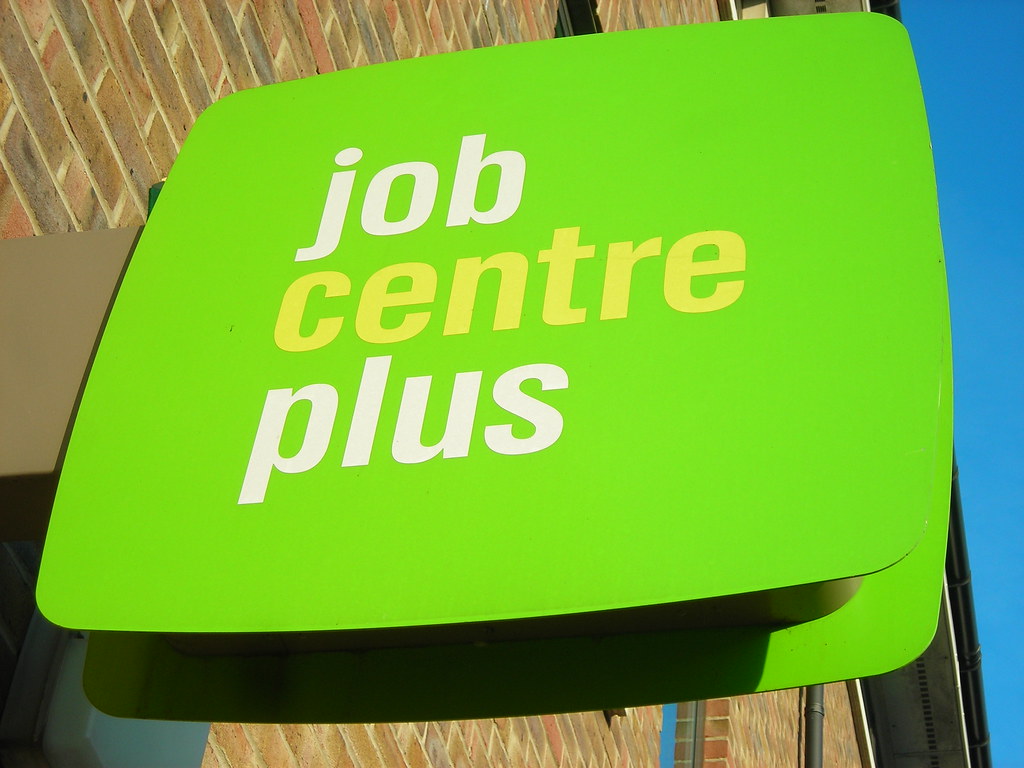
Today (17th February), the Office for National Statistics (ONS) published new data showing that UK unemployment has reached its highest level in almost five years.
The jobless rate stood at 5.2% in the three months to the end of December, up from 5.1% in the previous quarter, marking the highest figure since early 2021.
Unemployment has been rising steadily since 2022, with economists highlighting people aged between 18 and 24 have been among the hardest hit. In the three months to December, unemployment in this age group reached 14% – a level not seen in almost 11 years, excluding the pandemic.
Martin Beck, the chief economist at WPI Strategy, said: ‘Higher labour costs, reflecting last year’s increase in employer NICs and rises in the adult minimum wage appear to be weighting most heavily on entry-level hiring. At the same time, firms are likely reassessing junior roles in the face of rapid advances in AI.’
The figures also show that pay growth has moderated. Average earnings, not including bonuses, rose by 4.2% in Great Britain, down from 4.4% previously.
Additionally, in the private sector, pay increased by 3.4% – the slowest pace in five years – while public sector wages climbed 7.2%.
Suren Thiru, economics director at the Institute of Chartered Accountants in England and Wales, said: ‘This slackening in pay growth is likely to gather momentum in the coming months as the downward pressure from mounting lay-offs and higher employment costs increasingly weakens workers’ bargaining position.’
The number of people on company payrolls continued to fall, down 134,000 compared with a year ago and by 46,000 over the quarter. On a monthly basis, payrolls fell by 11,000 in January.
However, the ONS revised December’s monthly payroll figures. What was first reported as a fall of 43,000 compared with November is now shown as a drop of 6,000.
Reasons behind unemployment increasing
More than a third of employers report cutting hiring because of new workers’ rights, according to a survey by the Chartered Institute of Personnel and Development.
Passed in December, the Employment Rights Act gives workers entitlements such as parental leave and sick pay from their first day on the job.
Higher national insurance costs for employers in April have increased the expense of hiring staff, after chancellor Rachel Reeves announced in the 2024 autumn budget that rates would rise to 15%.
The data suggests the Bank of England could cut interest rates again by spring. The Bank forecasts unemployment rates will rise to 5.3% this year and wage growth will slow from 3.4% last year to 3.25% by the end of 2026.
Paul Dales, the chief UK economist at Capital Economics, said: ‘The lack of green shoots of recovery in the labour market and further fall in wage growth supports the idea that the Bank of England has at least a couple more interest rate cuts in its locker, with the chances of the next cut happening in March rather than April edging higher.’
Image: Openverse
In related news:
Crumbling classrooms expose the depth of England’s school decay
Leave a Reply