















Eleven UK towns and cities have recorded more than double the national increase in disposable incomes over the past decade, research from Centre for Cities shows.
Between 2013 and 2023, residents from some of the strongest performing towns – including Wakefield, Barnsley and Warrington – saw incomes rise by an average of 5.2%, compared with 2.4% across UK urban areas as a whole.
Researchers said if all 63 of the UK’s largest towns and cities had matched this level of growth, people would have gained an extra £3,200 on average in disposable income.
The think tank highlighted that places which focused on strengthening their local economies and supporting higher-skilled jobs were among the most successful.
Against this backdrop, the government argued government action has often prioritised short-term measures to ease the cost of living, such as capping bus fares or offering help with energy bills, rather than policies aimed at boosting economic growth.
‘By focusing on tinkering with the symptoms, the government runs the risk of losing sight of the cause,’ the report said. ‘The problem underpinning cost of living pressures, stagnant incomes, and persistent deprivation is the lack of economic growth.’
Andrew Carter, chief executive of Centre for Cities, said: ‘If you look at these top performers, what they focus on is increasing higher-skilled, cutting-edge jobs in their area and being very deliberate about trying to do that.’
Barnsley, for example, has used its position along the M1 corridor to develop into a logistics hub. The council opened industrial land near motorway junctions, creating more private service jobs.
Between 2013 and 2023, disposable incomes in Barnsley increased by 5.6%, while they rose by 5.3% in Warrington. Brighton recorded the largest increase at 8.1%, followed by Worthing at 7.8%.
In contrast, Cambridge saw disposable incomes fall by 3% and it was revealed that residents spend an average of 17% of their income on housing.
The report also found top-performing towns experienced stronger overall economic growth, rising by 27% over the past decade, compared with 18.4% across the rest of the UK.
Warrington recorded the highest total growth at 41%, with disposable income and economic growth 2.2 times the national average.
‘It’s about taking tough decisions,’ Carter added. ‘In Warrington, they’ve enabled and supported the expansion of some of their edge-of-town business parks. They’ve also taken reasonable chunks out of their green belt to build more homes, which is not an easy job.
‘So it’s about: do you know what needs to be done, but also, are you willing to do it?’
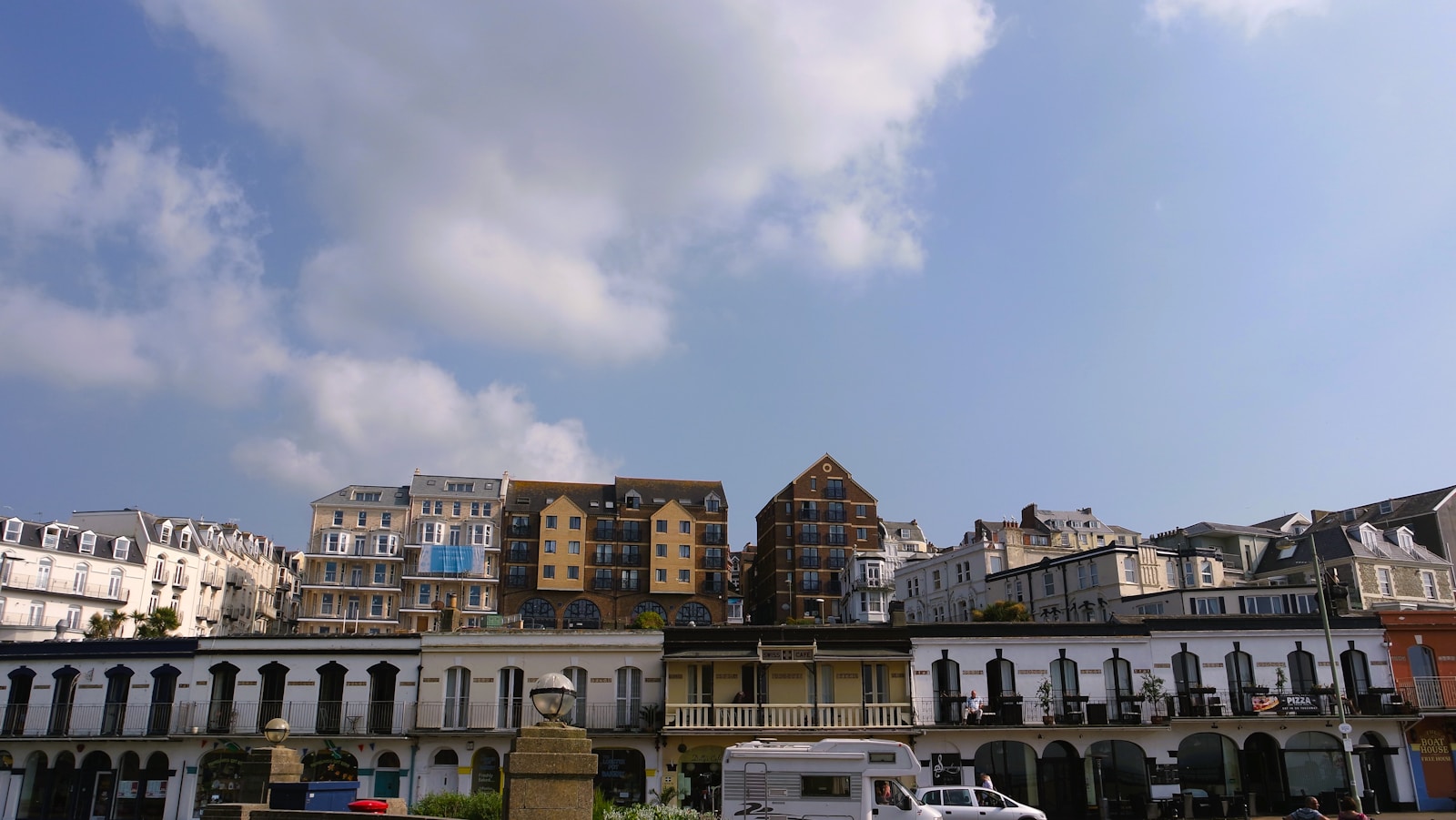
Image: Amy W/UnSplash
In related news:
Leave a Reply