











The Chancellor says Labour has ‘restored economic stability’ despite slower growth forecasts and rising unemployment, as she delivers her second Spring Statement.
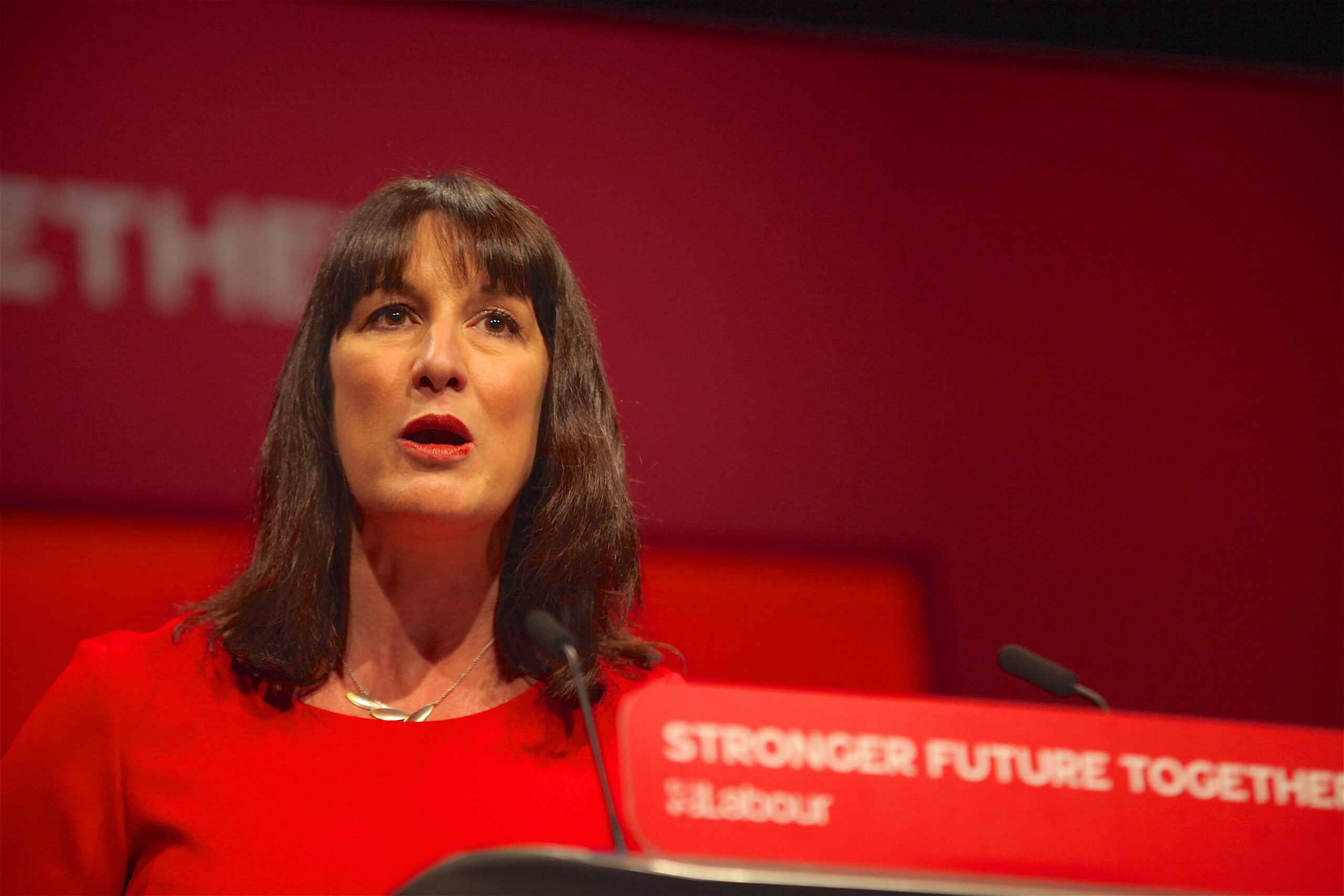
This afternoon (3rd March), Chancellor Rachel Reeves took to the stands in the House of Commons and delivered the Spring Statement. Before it, people were expecting a bit of a non-event and that’s pretty much what it was.
When she was delivering the speech, the Chancellor said the government has ‘the right economic plan for our country’ and that she believes families will feel ‘better off’ by the next election.
However, she also warned economic growth is expected to slow in 2026, with unemployment set to peak later this year 5.3%.
In a statement, the Office for Budget Responsibility (OBR), whose forecasts shaped the Spring Statement, noted: ‘Conflict in the Middle East, which escalated as we were finalising this document, could have very significant impacts on the global and UK economies.’
According to the OBR, GDP is expected to rise more slowly in 2026, at 1.1%, before growing slightly faster in following years, averaging 1.6% a year until 2030.
While unemployment is projected to peak this year, it is expected to fall annually until 2030, ending at 4.1%, – lower than at the start of Parliament.
‘I am not satisfied with these forecasts,’ Reeves told the Commons, blaming sluggish growth on ‘deep economic scars by the party opposite and their mates in Reform.’
Shadow Chancellor Sir Mel Stride called the Spring Statement a ‘surrender statement’ and accused the government of giving up on the British people.
He asked: ‘Is that it? What utter complacency, a Chancellor in denial. She speaks of stability. What planet is she on?
‘She has lurched from putting up taxes to destroying growth, to destroying headroom, to coming back to putting up more taxes, more growth destroyed. Round and round we go, like a fiscal twister ripping up everything in its path.’
In relation to the housing market, Ben Thompson, Director of Home Moving Strategy at Mortgage Advice Bureau, said: ‘We weren’t expecting fireworks from the Spring Statement, and in many ways that’s reassuring. Right now, the housing market doesn’t need dramatic announcements or last-minute policy changes – it needs stability. So a statement that leaves housing largely untouched is, in itself, a positive.
‘That said, it does feel like another missed opportunity. Big issues like Stamp Duty reform still haven’t been tackled, and that continues to hold people back. For many families, it’s not the mortgage that stops a move – it’s the hefty additional costs. These expenses can shut down plans before they’ve even started, which slows the whole market and, ultimately, the wider economy.’
In similar vein, Adrian Plant, Director of SOWN, added: ‘We were not expecting a raft of new housing measures today, so the absence of fresh support for first-time buyers is no surprise.
‘However, today’s announcement was significant because for the first time, the government has acknowledged the ‘delivery dip’ – the fact that housing delivery is set to go backwards before it goes forwards.
‘Ministers have been frank that higher supply should flatten or reduce house prices. Now that the government has admitted that, in the short term, housing delivery will continue to fall, it is clear that house prices will rise – to the detriment of first time buyers.’
While this year’s spring statement did not include any policy or tax changes, it is one of only two key moments in the year when the chancellor addresses MPs on the state of the economy.
Image: Shutterstock
In related news:
Britain’s fiscal spring clean: will forecasts bring sunshine?
£9bn developer cash sits idle in councils across England and Wales
Leave a Reply