













Households will see energy bills drop from April as Ofgem cuts price cap, but savings fall short of the £150 pledge.
Energy regulator Ofgem announced its price cap will drop by 7% for the three months from April. This means combined gas and electricity bills will go down to £1,641 from £1,7758 under the current cap.
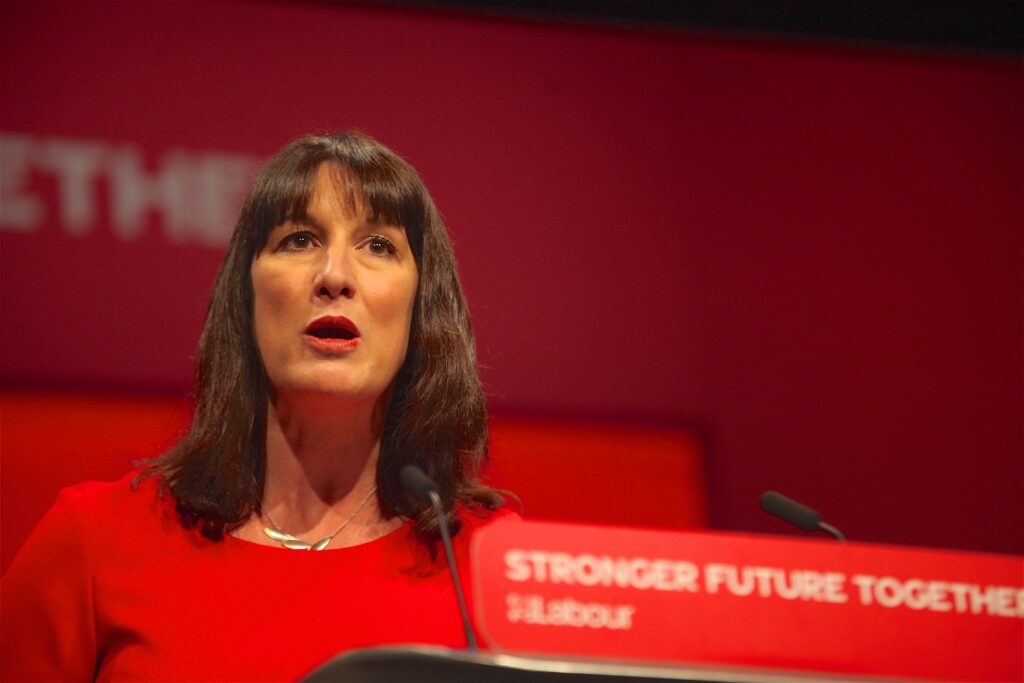
The reduction follows measures announced in the autumn budget, when chancellor Rachel Reeves shifted some green energy levies from household bills into general taxation.
However, the fall is smaller than the £150 cut promised, after rising costs linked to maintaining and upgrading the UK’s energy networks offset some of the savings. Ofgem said network charges increased by £66.
Despite the drop, domestic energy costs remain about a third higher than before Russia’s invasion of Ukraine triggered the energy crisis. Elevated wholesale gas prices, including higher LNG import costs, have kept bills high, with energy debts at record levels.
During the autumn budget, Reeves said: ‘I can tell you today that for every family we are keeping our promise to get energy bills down and cut the cost of living with £150 cut from the average household bill from April next year.’
In a statement issued today (Wednesday 25th February), Prime minister Sir Keir Starmer said: ‘I know there is more to do and my government is pulling every lever to bear down on the cost of living and protect the pound in the pockets of working people.’
Tim Jarvis, Ofgem’s director of general markets, said the news will be welcomed for ‘many households’.
‘Wholesale energy prices have fallen in recent months and we’re investing in our network to safeguard the future energy system,’ he added. ‘The main driver of today’s reduction is the change to policy costs announced by the chancellor in the budget.’
Ofgem explained the new cap is 12.3% – or £231 – lower than the same period in 2025. Wholesale prices, which make up the largest share of bills, fell by 6% over the past three months.
Clare Moriarty, chief executive of Citizens Advice, said: ‘A fall in energy prices is welcome but for many people bills remain stubbornly high. For millions of households this has stopped being a temporary hardship and become an ongoing threat to their financial stability.’
Separate research from the Centre for Research in Social Policy, found 4.2 million working households struggled to cover basic needs in 2023/24, which included being able to adequately heat their homes.
Moriarty continued: ‘The government has taken steps in the right direction to bring down bills. However, planned changes to how warm home discount costs are recovered mean those who need it most – households on low incomes with the highest energy needs – could keep as little as half the support in practice.’
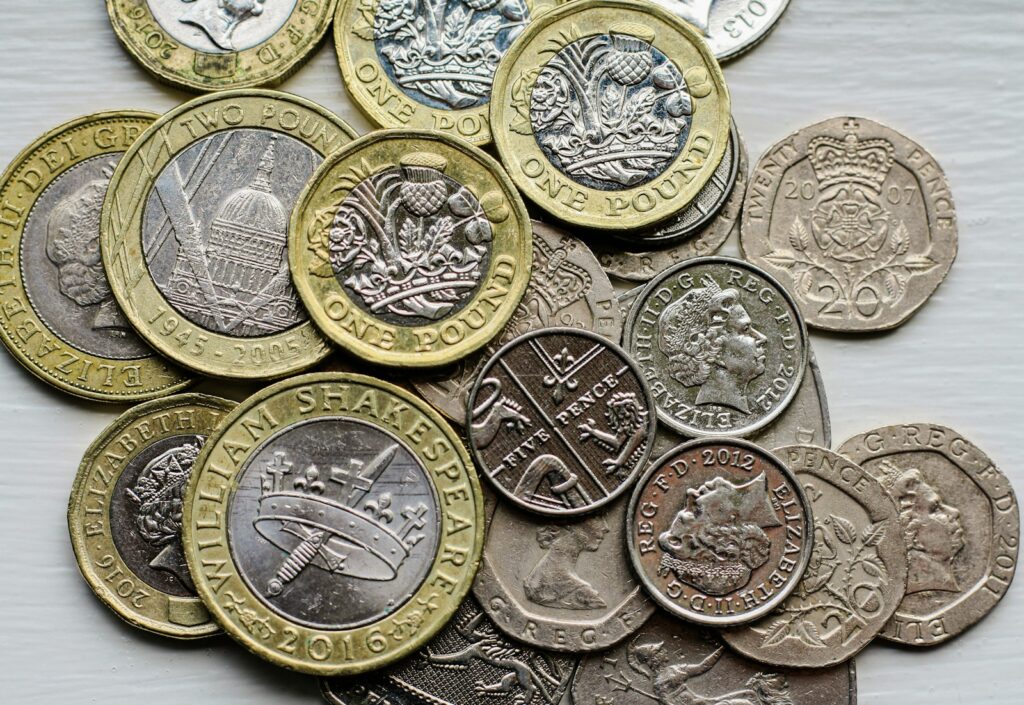
Image: Henning Wiekhorst/UnSplash
In related news:
Leave a Reply