















The homelessness charity is calling for a legally binding target to end homelessness as temporary accommodation numbers reach record levels.
Crisis, a leading homelessness charity, has launched a manifesto for a legally binding target to end homelessness in Scotland by 2040. The not-for-profit is urging political parties to back its three-point plan.
The document, launched ahead of the 2026 Scottish parliament elections, warns that record numbers of people are living in temporary accommodation and sleeping rough, with demand for housing support growing.
More than a third of Scottish councils have declared local housing emergencies, compounding the Scottish government’s national declaration made in 2024.
Matt Downie, chief executive of Crisis. said: ‘By aligning a commitment to end all forms of homelessness in Scotland with the existing goal of the Housing to 2040 strategy, we will put in place a date that government must work towards to achieve this ambition.’
The manifesto outlines a three-part approach. The first is to build the right homes in the right places, including increasing housing supply by investing £1.6bn annually to deliver around 15,693 new homes each year across a mix of sizes and tenures.
The second focuses on improving support for people in housing need by reforming public services to help people stay in or quickly access suitable homes.
Lastly, the third approach calls for long-term funding, including multi-year commitments that prioritise affordable housing and early intervention systems.
Julie Woods, a support worker at Crisis Skylight Edinburgh, said: ‘Instead of getting the support they need to keep their home, people are being pushed into a point of crisis with their housing before they can get help. It feels like we’re firefighting the problem all the time.’
Crisis estimates 3,560 Housing First tenancies are needed nationally each year, alongside rapid rehousing approaches to reduce reliance on temporary accommodation.
To give context, as of September 2025, 18,092 households were in temporary accommodation, which represents a 9% increase over 12 months. The figures show 10,000 children were living in these conditions – often in B&Bs or hotels – with the average lasting 238 days.
The full document can be read here
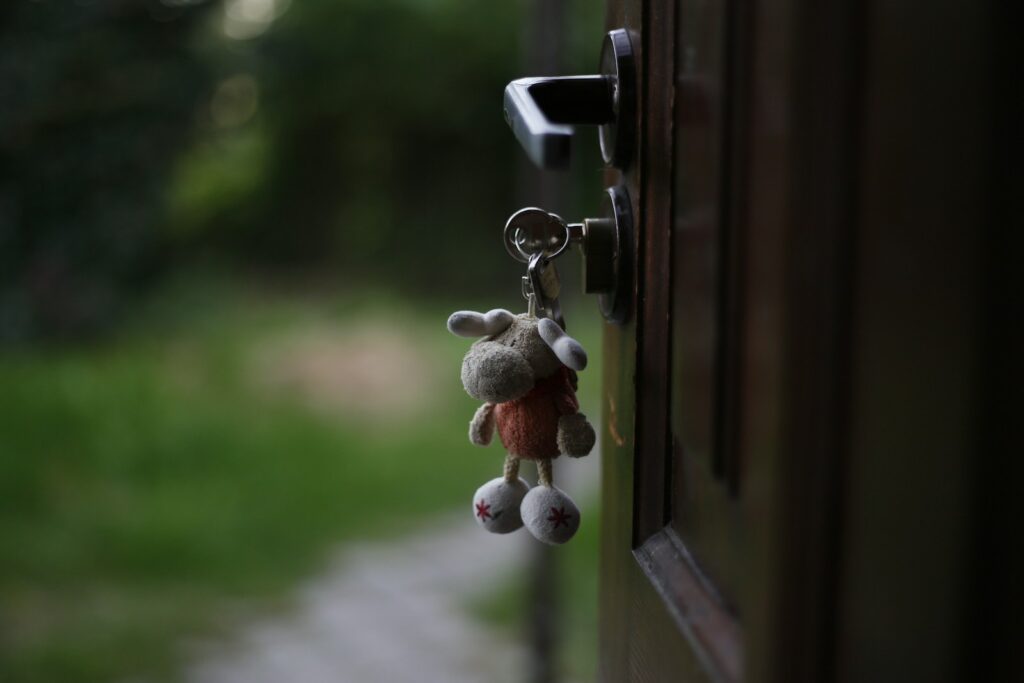
Image: Jure Tufekcic/UnSplash
In related news:
Leave a Reply