














Research from Centrepoint shows one-third of homeless 16-24-year-olds in England are denied council assessments, leaving young people without housing support.
Councils in England are failing to provide homelessness assessments for young people, despite a legal duty, according to research from leading youth homelessness charity Centrepoint.
Published today (27th March), the research found that of the 107,585 16-24-year-olds facing homelessness last year, just 65% were assessed by their local authority.
More than a third (35%) therefore did not receive the assessments and potentially missed out on essential support.
Some cases may reflect young people not meeting the threshold for assessment and support. However, the Homelessness Reduction Act 2017 states councils must either prevent or relieve homelessness and assess anyone presenting homeless or at risk.
Despite this, Centrepoint noted assessment rates are falling even as more young people seek help. In 2023/24, only 67% of 67,714 young people were assessed.
‘Too many young people find themselves denied assessments they may need to access housing and homelessness support,’ Lisa Doyle, Centrepoint’s head of policy and public affairs, said. ‘Regardless of the systemic reasons behind this, it can be unlawful, and the inevitable outcome is that young people are not getting the support they need.’
‘Every week the Centrepoint helpline receives calls from young people turned away from their local authority without an assessment. Many have been forced to sleep rough, and a significant proportion should be classed as in priority need and entitled to support,’ she added.
According to the research, the South West had the lowest assessment rates, with councils failing to examine over half of young people presenting as homeless.
In the North West, which saw the biggest rise in youth homelessness that year, fewer than half of those seeking help were seen to.
Insufficient funding was cited as one of the key reasons councils were struggling to meet their legal duties. The study, conducted in partnership with WPI Economics, estimated a £325m shortfall for 2024/25.
Costs of support are also increasing, especially for the ‘main duty’ to provide accommodation. Councils rely more on expensive temporary housing, such as hotels and B&Bs, due to a shortage of affordable homes.
‘Councils should be doing better,’ Doyle continued. ‘We urge the government to review why so many young people are being turned away.’
The report can be read in full here.
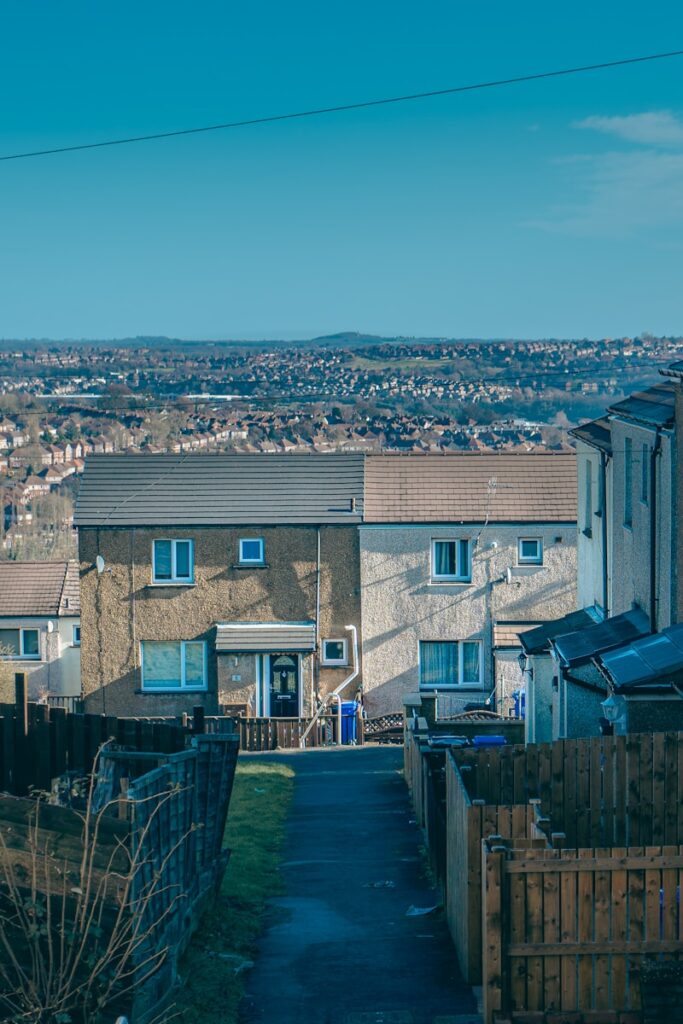
Image: Zac Durant/UnSplash
In related news:
Deception in housing claim can mean intentional homelessness
Council moves forward with major 4,000-home development plan
Leave a Reply