










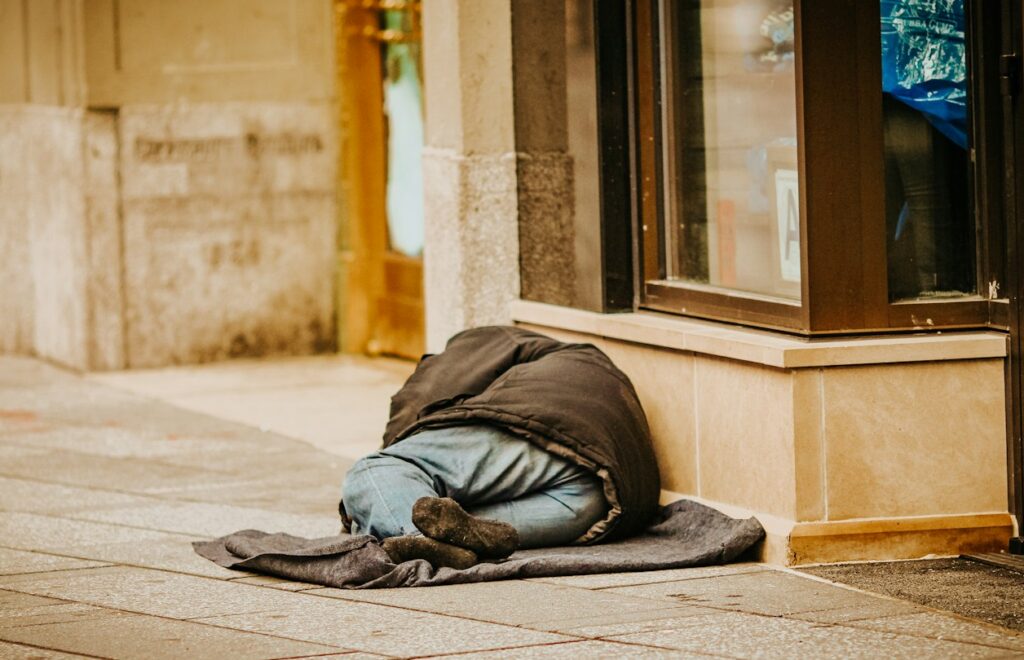

The chancellor has frozen local housing allowance (LHA) rates, prompting concerns over affordability and the risk of increased homelessness for low-income renters.
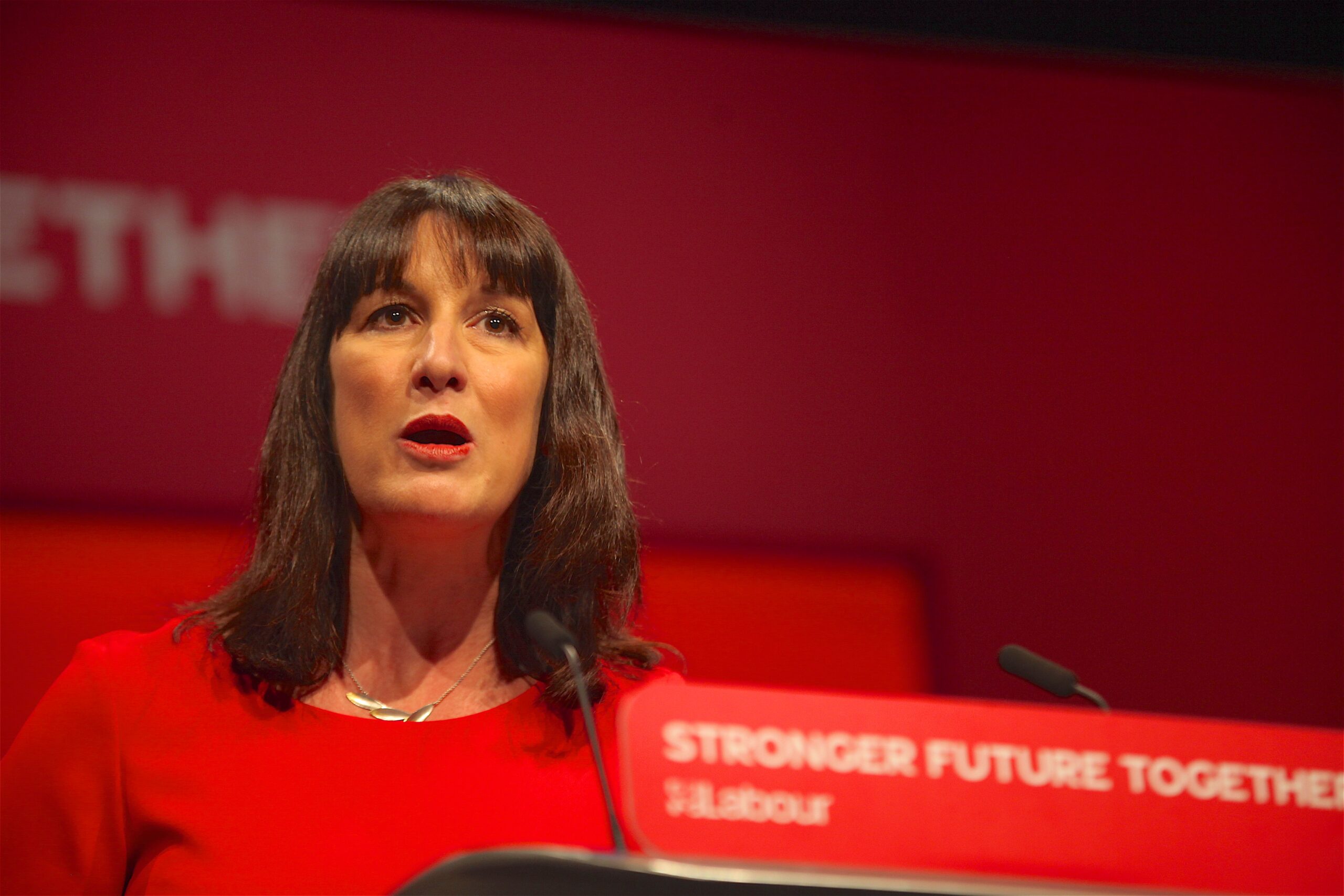
During her second autumn budget, Reeves announced plans to maintain LHA rates at their current levels, despite calls from housing, homelessness and rent campaigners to align support with record-high rents.
LHA determines the maximum support private renters on housing benefit can receive to cover rental costs. The government has frozen rates in eight of the last 13 years, with adjustments to market levels only occurring in 2020 and 2024. Summer spending forecasts indicate the freeze is expected to continue in cash terms until at least 2029–30.
For low-income renters, the decision presents significant challenges. Tom Darling, director at the Renters’ Reform Coalition, said: ‘Overall, this is not a renters’ budget – the continued freezing of housing benefit means tenants on low incomes will continue to struggle to keep a roof over their head while paying for the essentials. Soaring rents are a major cause of homelessness, driving renters out of their homes or into poverty, and refusing to increase housing allowance means many families will remain trapped in emergency homelessness accommodation, unable to afford to move.’
Reeves also announced a 2% increase in income tax on landlords’ property income. Ben Beadle, chief executive of the NRLA, said: ‘Despite claims of tackling cost of living pressure, the government is pursuing a policy that the Office Budget Responsibility (OBR) has made clear will drive up rents. Almost one million new homes to rent are needed by 2031. But this budget will clobber tenants with higher costs while doing nothing to improve access to the homes people need.’
Sarah Elliott, chief executive of Shelter, added that the policy would ‘condemn thousands to another grim winter without a secure home.’
Some relief comes from the scrapping of the two-child benefit cap. Ben Twomey, chief executive of Generation Rent, said it will ‘give families across the country some breathing space. But the continuing freeze of housing benefit means many renters will still be forced into making heartbreaking choices between heating and eating in order to pay their rent.’
According to the Institute for Fiscal Studies, average rents have risen by 19% since LHA rates were last pegged in September 2023. This has reduced disposable incomes for affected renters by almost £1,500 per year.
The Resolution Foundation warns if rates remain frozen until 2029-30, LHA will fall 25% below the 30th percentile, leaving a monthly shortfall of £180.
Jed Michael, IFS research economist, said: ‘Regardless of whether the government wishes to increase support for private renters, calculating support using increasingly historical and irrelevant data on local rents is indefensible. Instead, support should relate to current rents.’
Image: Shutterstock
In related news:
Health problems drive homelessness, campaigners call for action
Leave a Reply