


















Are allotments vital community infrastructure or just another drag on development viability? Tim Foreman of LRG argues evidence points towards the former.

Allotment waiting lists across the country tell a clear story. Residents often wait years for a plot. In the Thames Valley and South East, fully subscribed sites are the norm rather than the exception, and this isn’t a passing trend. The reasons people want allotments are due to permanent changes – such as smaller homes, tighter budgets and less outdoor space – and planners need to recognise that when considering new developments.
Why allotments matter
The push toward higher-density development has fundamentally changed what gets built. Viability pressures and land values drive schemes toward smaller units and apartment blocks, particularly in urban areas. As such, many residents end up without any private outdoor space at all. For families living in flats with tight budgets and limited square footage, allotments aren’t just a nice-to-have; they help address a genuine gap in provision.
Work patterns have shifted considerably as well. More people now spend at least some time working from home, which has changed how they use and value their living environment. As a result, access to outdoor space during the day now matters significantly more than it used to. For someone working from a small property, having somewhere to go outside isn’t just about weekend leisure anymore; it’s become part of daily wellbeing.
Then there’s the cost-of-living angle. Food price inflation hits households on lower incomes harder, and while individual allotment production might look modest, over the course of a growing season, it can add up to real financial relief. Growing food locally rather than buying produce shipped internationally also delivers environmental benefits.
The community infrastructure case
What makes allotments particularly valuable is their role in social infrastructure. This is especially important on larger mixed-tenure estates, where residents can easily become isolated from one another. Allotments give people structured reasons to meet regularly and a place where relationships can form naturally around shared activities. Crucially, those connections often cross tenure boundaries in ways that help knit communities together.
The intergenerational aspect strengthens this. Families teach children about growing food and understanding seasons, while older residents get routine, purpose and regular social contact that addresses isolation. For residents juggling low incomes, unstable work or difficult personal situations, allotments also offer support that works alongside other interventions.
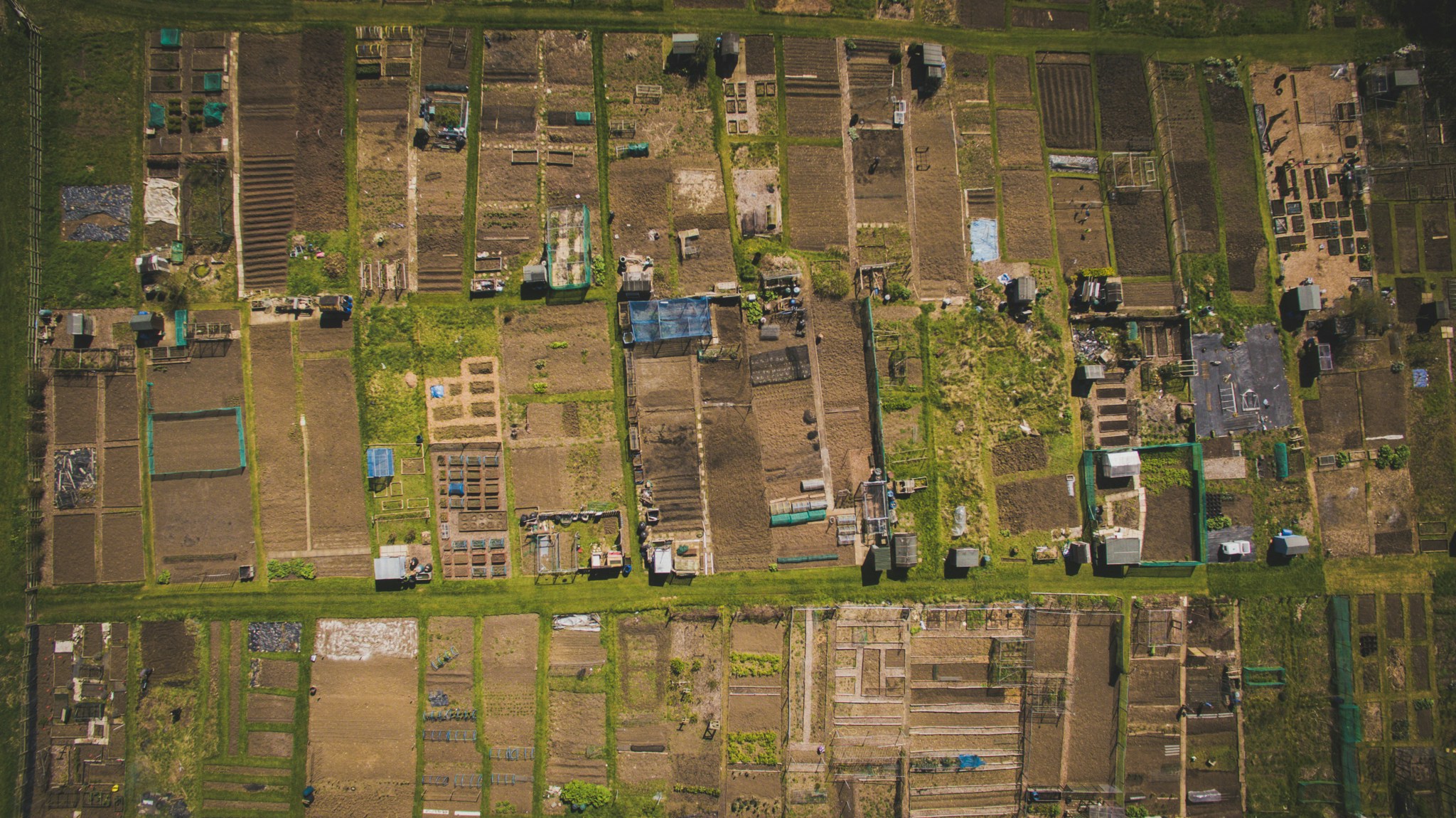
Planning policy emphasises creating sustainable communities and promoting wellbeing. Allotments deliver on both counts in tangible ways. They’re not theoretical benefits that might materialise years down the line; they start working as soon as plots get allocated. The revised NPPF consultation proposes giving substantial weight to community facilities, which reinforces the case for treating allotments as valuable community infrastructure.
The viability tension
Of course, this doesn’t mean developers will readily provide allotments. The land they occupy could accommodate additional housing units, which matters when housing need is acute, and allotment provision does affect scheme viability, particularly when sites are already carrying substantial Section 106 obligations around affordable housing, infrastructure contributions and Biodiversity Net Gain.
Every requirement layered onto a scheme erodes viability somewhere down the line, and when you consider that land and construction costs have risen substantially, and sites purchased years ago are only now reaching delivery, developers face genuine financial constraints. Something has to give in viability negotiations, and community infrastructure can get sacrificed in order to preserve housing numbers.
Getting the details right
If allotments are going to work in the long term, the maintenance aspect needs careful consideration. Management needs clear lines of responsibility and funding you can rely on, and plot allocation processes need to be fair and transparent.
What matters most is making sure the provision doesn’t deteriorate through inadequate resources – nothing undermines community infrastructure faster than neglect. Planning conditions or Section 106 clauses need to address this upfront rather than leaving it vague and hoping for the best.
There’s also a question about scale and design. Allotments need proper access, water supply, decent soil quality and enough space for plots that are actually usable. Half a dozen tiny patches squeezed onto leftover land won’t deliver the community benefits that justify the provision in the first place. Planning guidance should set clear standards about what constitutes adequate allotment provision.
What planners should consider
For planning authorities drafting local plans or assessing major applications, allotments deserve serious consideration. The sustained demand demonstrates real community need, and the benefits span multiple objectives around health, wellbeing and community cohesion.
That doesn’t mean requiring allotments on every single development regardless of context. Small schemes or sites with genuine constraints might not be appropriate, but for substantial residential developments – particularly those with limited private garden provision – allotments should feature in pre-application discussions and development briefs.
At Woodhurst Park in Berkshire, allotments were included as part of the community infrastructure for 750 homes, alongside a 65-acre country park. This demonstrates how well-planned schemes can accommodate multiple community needs without undermining viability.

Planning officers also need realistic expectations about what’s achievable through viability negotiations. When developers present robust evidence that schemes can’t support full requirements across affordable housing, infrastructure and community facilities, tough choices follow. But those negotiations should start from a position that recognises allotments as valuable infrastructure worth fighting for, not soft targets for easy cuts.
Looking ahead
Current government housing targets aim for 1.5 million new homes this Parliament, and meeting those numbers while creating genuinely sustainable communities means thinking beyond housing units on paper. Developments that technically hit housing need but lack adequate community infrastructure simply store up problems for years ahead.
The planning system is meant to deliver sustainable development that meets communities’ needs, and allotments tick multiple boxes in ways that few other interventions manage. They address immediate practical needs around food costs and outdoor space, and they build social connections and support wellbeing.
Sustained demand from residents waiting years for plots suggests communities value this infrastructure highly. Planning policy should reflect that by giving allotment provision the weight it deserves in development negotiations and decisions. When done properly, allotments create places where people genuinely want to live, which is what good planning aims for.
This article was written by Tim Foreman, managing director of land and new homes at LRG.
Images: Tim Foreman and UnSplash
Other features:
Why the North West is central to the UK’s next phase of economic growth
Case study: building control at West Northamptonshire Council
Leave a Reply