













Over 10,000 people have died while homeless in the UK since 2017, according to research exposing a huge gap in the number of deaths recorded by councils.
The Dying Homeless Project, created by the Museum of Homelessness, recorded 1,467 deaths across the UK last year.
At least 214 people were sleeping rough or had no fixed abode, while more than 30% were either on the streets or living in accommodation intended for people who’d recently slept rough.
Almost 200 deaths were missing from local authority records, with researchers identifying 197 cases not reported through council homelessness data – around one in 10 deaths documented by the project.
The ONS recorded 974 deaths among people experiencing homelessness in England and Wales in 2025, four fewer than the previous year.
By contrast, the Museum of Homelessness discovered 1,297 deaths in the two countries, a 5% increase on 2024. The charity said its researchers had been able to identify more people living in temporary accommodation.
Both sources nevertheless point to an increase in deaths over the past few years. Between 2023 and 2024, the ONS recorded a 19% rise, while the Museum of Homelessness recorded a 20% increase.
More than half of the deaths identified by the charity last year – 52% – were attributed to drugs, alcohol or suicide. Now the organisation is calling for more investment in recovery and harm reduction services, as well as mental health support.
England recorded 1,235 deaths, up 8% on 2024, while Scotland saw 232, a 38% rise; deaths fell in Wales and Northern Ireland.
Bristol, Brighton and Hove, Edinburgh, Camden and Stirling had the highest rates when measured against the local population.
Among the most troubling findings was the number of children who died while living in temporary accommodation. The project recorded 51 deaths in 2025, its highest total to date. Nearly two-thirds of those children were under one year old.
Just seven were known to local authorities through the homelessness reporting system.
The names of people known to have died while homeless last year will be read at a vigil opposite Downing Street on 15 October.
John Glenton, chief care and support officer at riverside, described the findings as ‘tragic’ and said they show ‘how deep this humanitarian emergency really is.’
‘These deeply worrying statistics prove it is right to offer everyone a path off the streets and put an end to rough sleeping,’ Glenton said.
‘There is still an urgent need for the government to look at reforming welfare support including LHA rates to make sure that fewer people experience homelessness and better still fewer people lose their lives because of it.’
Alex Bax, CEO of the homelessness and health charity Pathway, added: ‘Every one of these deaths is an indictment of a health system that is failing people who are forced to sleep on our streets.
‘The NHS now has an opportunity to step up and play its part in delivering the prime minister’s commitment to end rough sleeping.
‘We already know what works; it is set out in the NICE guideline on integrated health and social care for people experiencing homelessness.
‘What’s missing is the investment and will to deliver it. We now need concerted action from government, backed by funding, to make lifesaving care a reality across the country.’
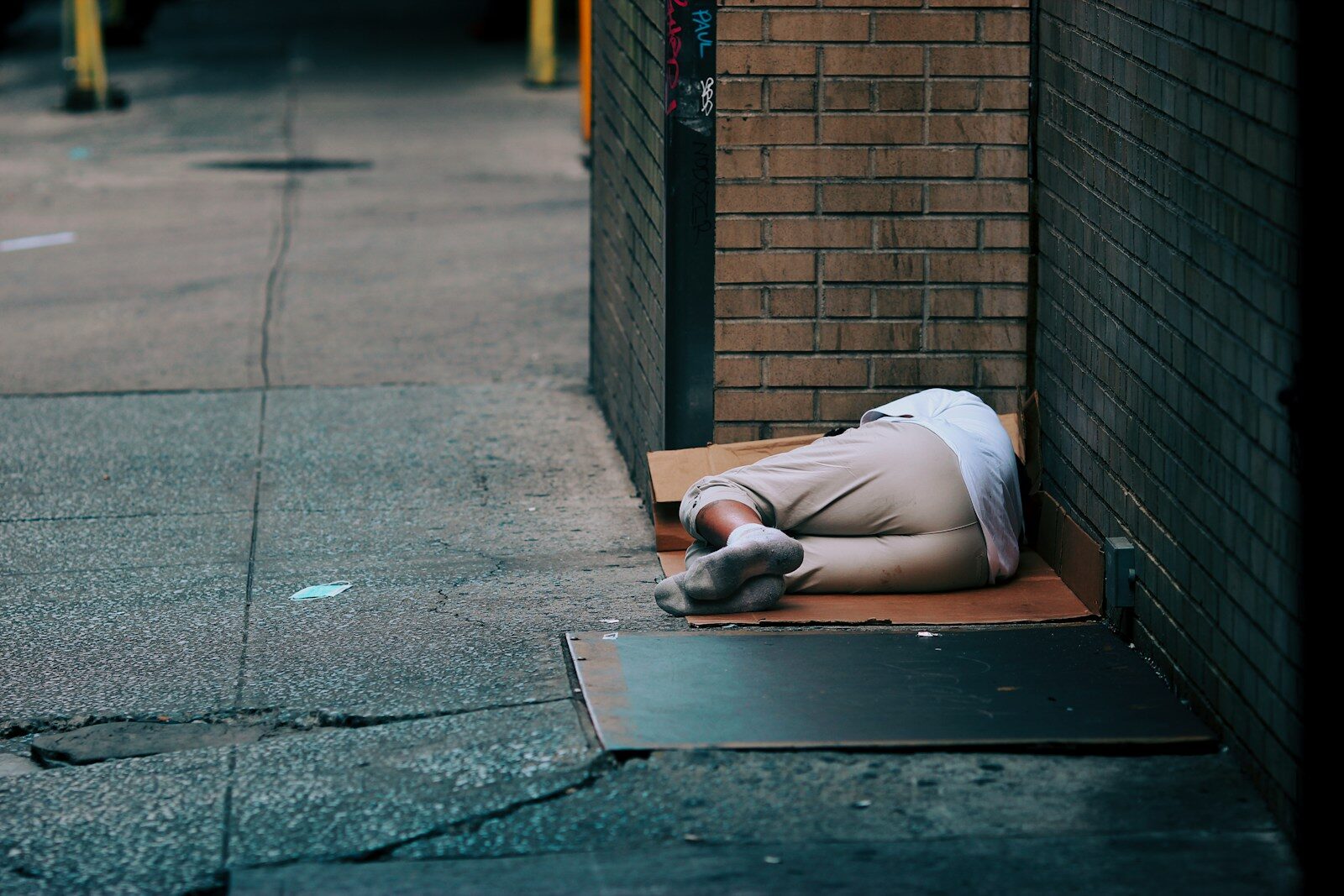
Image: Jon Tyson/UnSplash
In related news:
Leave a Reply