















More than a third of rental properties advertised in the North East include bills in the rent, compared with fewer than one in 10 in Scotland, analysis shows.
The research, by landlord services company LegalforLandlords, found 34.4% of rental listings in the North East included bills, compared with 8.6% in Scotland.
It examined properties advertised on Zoopla on 1 September.
Across Britain, 14.9% of rental listings included bills, meaning most tenants were expected to arrange and pay household bills separately.
London and the South East accounted for the largest shares of bills-included listings nationally, at 23.9% and 13.2% respectively.
These figures refer to the proportion of all bills-included listings identified across Britain, rather than the percentage of rental properties in each region.
Bills-inclusive arrangements are common in some student accommodation and are also offered by some build-to-rent developments.
News of the research comes as energy costs are due to rise. The energy price cap will increase by 4% from October, taking the annual bill for a typical household from £1,663 to £1,723.
Sim Sekhon, group chief executive of LegalforLandlords, said: ‘Bills-included renting clearly isn’t a single national trend. In the North East, it accounts for more than a third of rental listings, while in Scotland it is less than one in ten. That’s a substantial difference in how landlords are approaching the rental proposition.
‘There are also parts of the market where including bills has become a much more established part of the offer. Student accommodation has long used the simplicity of bills-inclusive renting as an attraction, while build-to-rent operators can use it alongside other perks to make their developments stand out to prospective tenants.’
‘For tenants, having bills included can make budgeting simpler and give greater certainty over monthly outgoings,’ she added. ‘For landlords, it is a very different proposition because they take on responsibility for costs that can fluctuate and consumption they cannot fully control.’
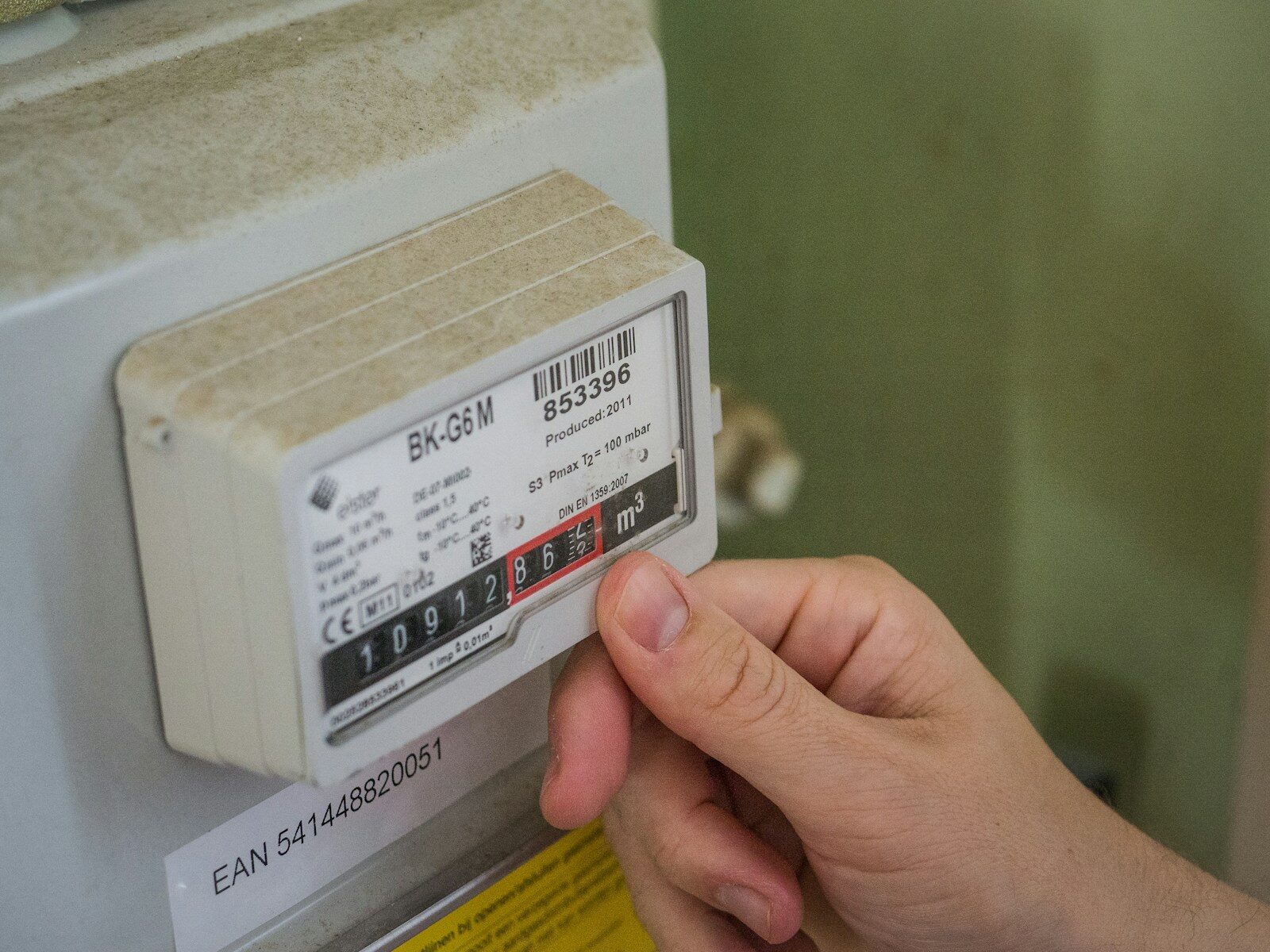
Image: Arthur Lambillotte/UnSplash
In related news:
Leave a Reply