














A new investigation by the National Audit Office (NAO) has revealed that while the government’s shared ownership scheme helps thousands onto the housing ladder, many buyers are left vulnerable to unexpected costs and complex redress routes due to persistent gaps in information and oversight.
The report found that shared ownership, under which buyers purchase a stake in a property and pay rent on the remainder—has grown significantly, with 20,353 new homes delivered in 2024-25. However, the NAO warns that prospective buyers often have a poor understanding of long-term financial risks, particularly regarding uncapped service charges and transaction fees associated with ‘staircasing’ (buying additional shares).
‘Stakeholders have told us there are still understanding gaps surrounding costs,’ the NAO stated, noting that while initial affordability is clear, the potential for rent hikes and variable service charges is not always obvious. Examples cited in the report show service charges increasing by up to 170% within two years for some owners.
The investigation also found data gaps at the Ministry of Housing, Communities & Local Government (MHCLG). The department uses the CORE database to track shared ownership, but many providers fail to submit data, and returns are often incomplete. Because partial staircasing was not historically recorded, MHCLG does not fully understand how households increase their ownership over time, limiting its ability to assess whether the model remains affordable.
The redress system for shared owners was described as ‘complex.’ Disputes over service charges and lease terms must go to the First-tier Tribunal, while complaints about service quality are handled by the Housing Ombudsman. The NAO noted that many shared owners may not know which route to take.
Despite these challenges, the government has made incremental improvements. Reforms introduced in the 2021-2026 Affordable Homes Programme (AHP) allowed buyers to purchase a minimum 10% share (down from 25%), extended leases to 990 years, and introduced a 10-year repair period where landlords cover major costs. However, these protections apply only to new leases, leaving owners with older leases facing higher financial risks.
The new Social and Affordable Homes Programme (2026-2036) aims to improve transparency and customer affordability, but the NAO concludes that without better data collection and clearer information for consumers, the long-term financial security of shared owners remains uncertain.
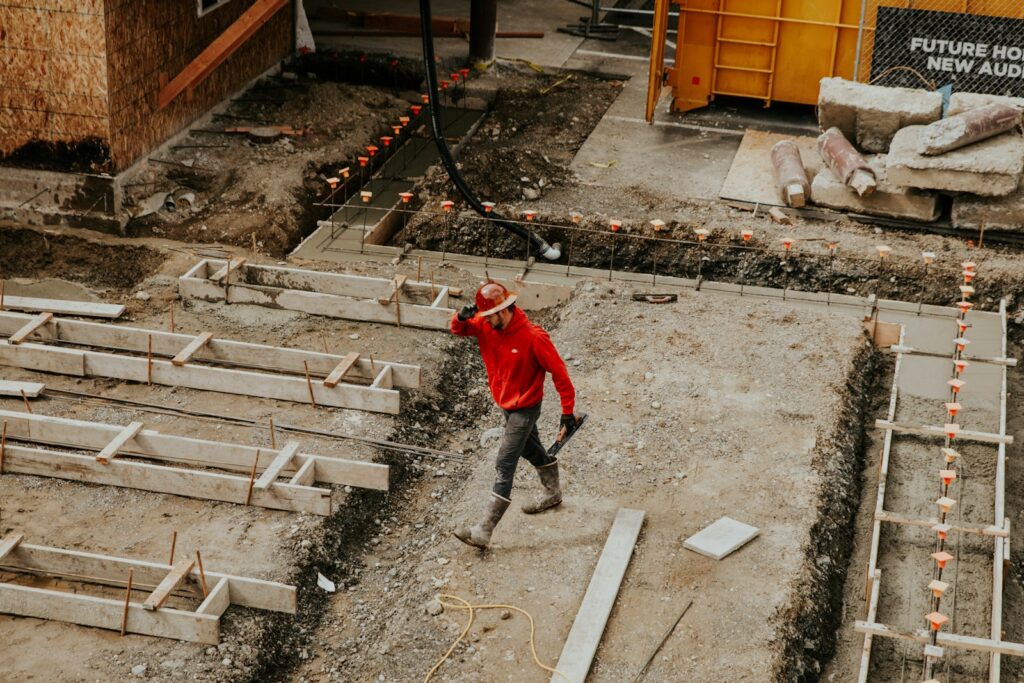
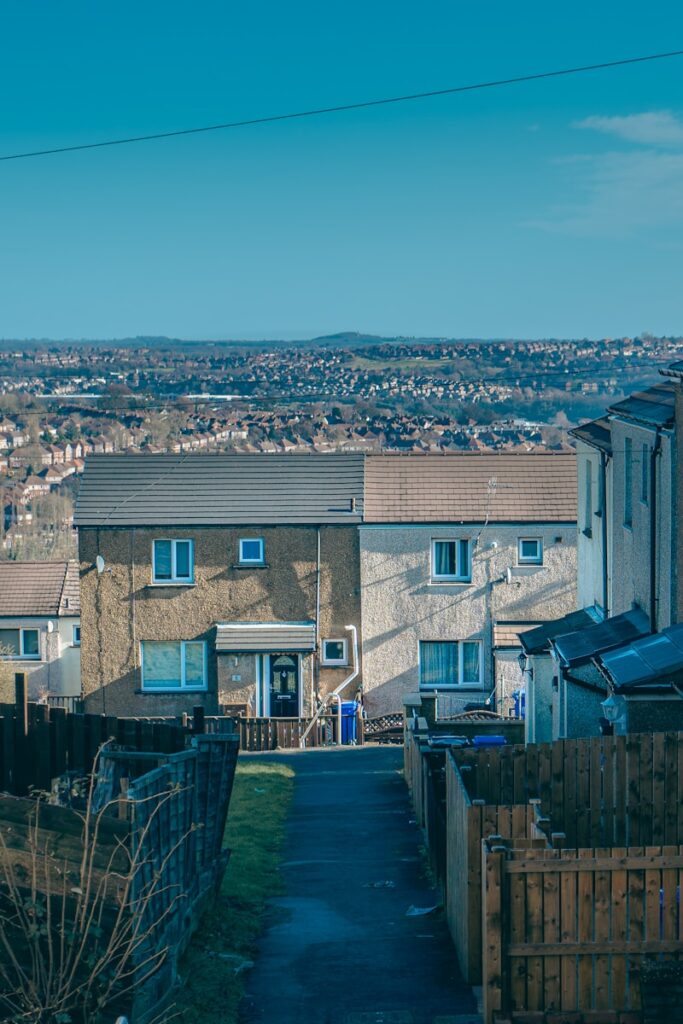
Photo: RDNE Stock project
Leave a Reply