

















This week, the Court of Appeal issued a ruling that is expected to protect thousands of right-to-buy leaseholders from large repair bills linked to historic building defects.
To say the decision impacts councils across England, would be an understatement.
In The Mayor and Burgesses of the London Borough of Tower Hamlets v Various Leaseholders of Brewster House and Malting House, judges unanimously dismissed an appeal by Tower Hamlets Council. The local authority had been looking to recover more than £9.2m from leaseholders for urgent safety works at rwo 1960s tower blocks.
The buildings, otherwise known as Brewster House and Malting House, were constructed using the Large panel System (LPS) – a method later found to have serious structural weaknesses.
Tower Hamlets argued service charge provisions in the leases allowed it to pass on the cost of works it considered ‘necessary or advisable’ for the safety of the building. However, the court ruled that such clauses could not be used to fund the remediation of long-standing structural defects.
Judges said so-called ‘Sweep Clauses’ were intended to cover routine maintenance or safety measures, not fundamental defects that existed at the time the flats were sold.
‘Broad or general clauses in a lease cannot be interpreted to impose ruinously expensive obligations unless the lease expresses such intent in clear and unambiguous terms,’ the judgement found.
For some of the earliest leases, which included specific exclusions, the court upheld findings that the council was aware of the LPS design flaw at the time of sale. As a result, it could not later charge leaseholders for addressing those defects, even if the full extent of the problem only became clear years later.
The judges also took into account the scale of the potential costs involved. They said ‘potentially ruinous’ sums – reaching up to £95,000 per flat – were relevant when assessing whether the leases were ever intended to impose such liabilities on individual homeowners.
The court concluded the council’s implied duty under right-to-buy legislation to make the buildings safe could not be transformed into a right to recover those costs through service charges.
Legal experts said the judgement provides clarity on where financial responsibility lies for historic structural failures.
Ellodie Gibbons, barrister at Landmark Chambers, told Tower Hamlets Slice: ‘Without clear working in the relevant leases landlords may not be obliged to meet the cost of the landlord doing so.’
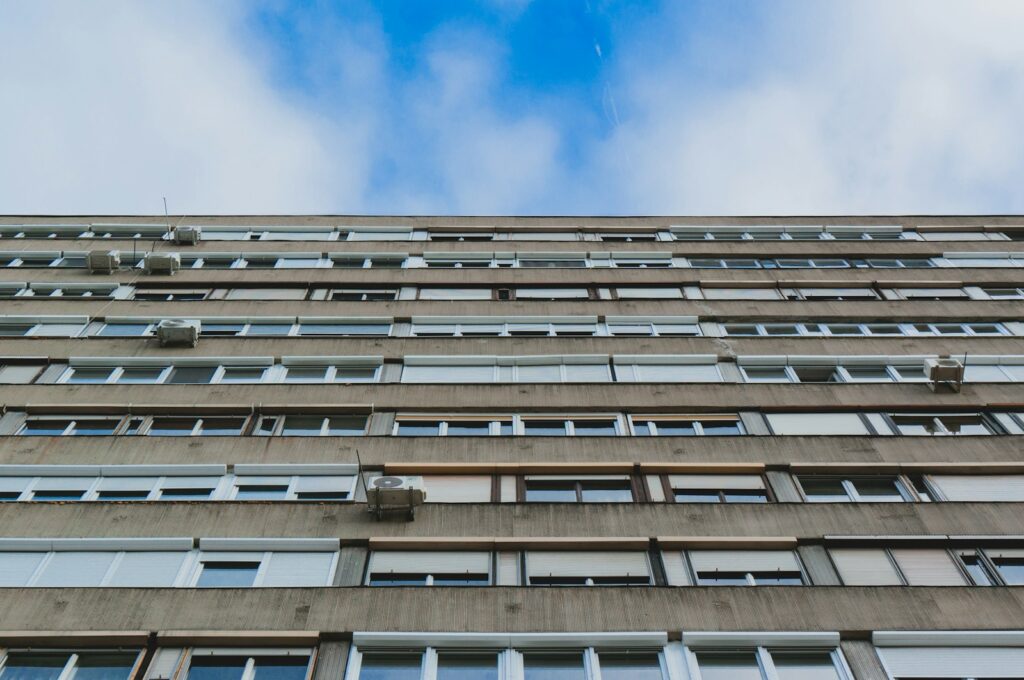
Image: Wesley Tingey/UnSplash
In related news:
Leave a Reply