














A new three-year settlement boosts funding for deprived urban councils, but critics warn rural areas and some communities face cuts.
This week, the government announced a three-year funding settlement for English councils, setting out core finance allocations to help authorities set local council tax bills for next April and finalise their overall budgets.
For the first time, council funding will be distributed using a new Fair Funding formula, which gives greater weighting to local authorities with high ‘deprivation’ scores – these are measured using factors including income, employment, health, housing, costs and crime.
Cities such as Manchester, Birmingham, Luton, Bradford, Coventry and Derby are among those expected to see an increase in spending power. Ministers said the changes would create a fairer system and help ‘restore pride and opportunity in left-behind places’.
Housing and Communities Secretary Steve Reed, said: ‘This is a chance to turn the page on a decade of cuts and for local leaders to invest in getting back what has been lost – to bring back libraries, youth services, clean streets and community hubs.’
However, the announcement was met with a muted response from some councils in the North and Midlands, which argued the settlement favoured ‘London suburbs’ and warned it would leave ‘many of the most deprived communities facing further cuts after a decade of austerity’.
The County Councils Network (CNN) accused ministers of ‘cherrypicking’ and said the changes could push some local authorities into serious financial difficulty.
Cllr Stephen Broadbent, finance spokesperson for CNN, said: ‘Many of our councils will see their government grant cut and the simple fact remains that county taxpayers, the length and breadth of this country, will foot the bill for these reforms.
‘At least 90% of CNN member councils’ much-vaunted increase in total ‘core spending power’ will come from presumed council tax rises of 5%, we estimate.’
‘It is abundantly clear that recent changes to the original government proposals have disproportionately benefitted London and metropolitan boroughs at the expense of all county and rural areas,’ Broadbent continued. ‘The continuation of the recovery grant and the removal of ‘remoteness’ from almost the whole funding formula will mean hundreds of millions of more funding will be diverted from rural to urban areas over the next three years.’
Several central London authorities with low council tax rates and large financial reserves are expected to lose grant funding. To offset this, they will be permitted to raise council tax above the usual 4.99% cap from April. These include Wandsworth, Westminster, Kensington and Chelsea, the City of London and the Royal Borough of Windsor and Maidenhead.
The government said it doesn’t expect these councils to automatically raise council tax, citing their reserves and their ability to levy premiums on second homes.
The 2026-27 settlement follows months of negotiations between Whitehall and local councils. Research published by the Institute for Fiscal Studies in august found that several Labour-run inner London authorities could lose around 20% of their grant funding under the new formula.
Sir Stephen Houghton, chair of the Special Interest Group of Municipal Authorities, said: ‘The decision to use housing costs as a key deprivation measure, which leaves London’s suburbs as the biggest winners from this review and many of the most-deprived communities facing further cuts after a decade of austerity, is especially disappointing.’
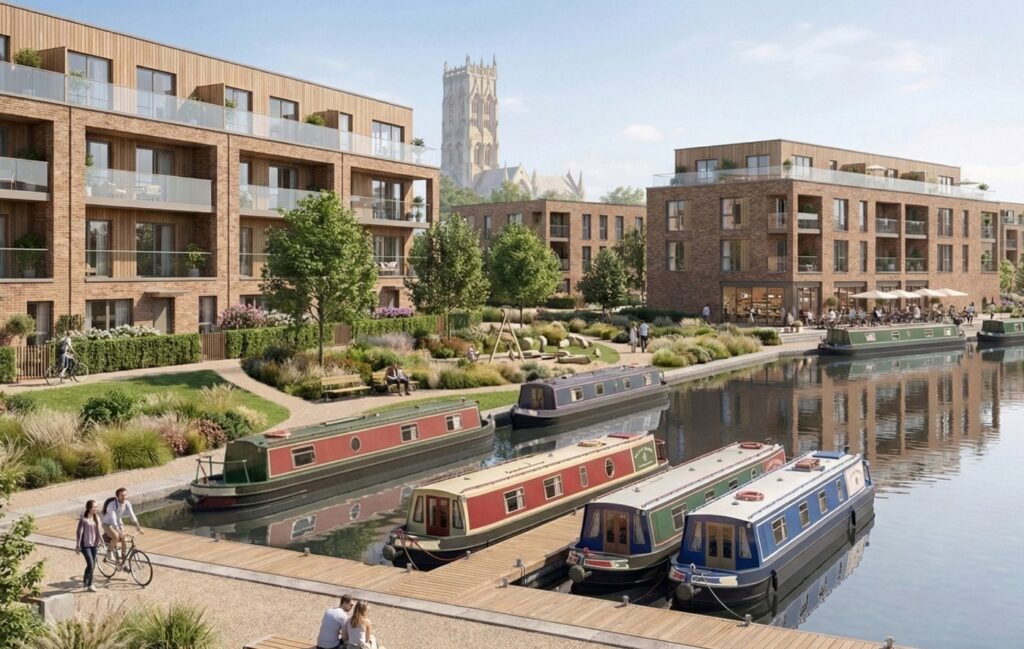
Image: Christopher Bill/UnSplash
In related news:
Domestic abuse survivors blocked from social housing by debt rules
Leave a Reply